
Why Eastern Europe Is Your Smartest 2026 Travel Move (And Why You’ll Thank Me Later)
For years, American travelers have flocked to Western Europe’s well-worn paths, only to find themselves battling crowds in Parisian bistros or queuing for hours to see Michelangelo’s David. But in 2025, something remarkable happened—travelers began discovering that Eastern Europe offers 80% of the cultural richness with just 20% of the crowds, all at nearly half the price. This isn’t just speculation: KAYAK’s 2026 Travel Trends Forecast reports that airfare to Eastern European destinations has dropped approximately 24% compared to 2025, with cities like Sofia averaging just $641 roundtrip from major US hubs.
As a marketing director who’s guided thousands of American travelers toward transformative experiences, I’ve watched this trend accelerate rapidly. The numbers don’t lie—with Western European destinations continuing to raise tourist taxes and implement crowd control measures (like Venice’s $10 entry fee), savvy US travelers are pivoting eastward where authentic experiences, untouched architecture, and genuine hospitality await. Perhaps most compelling? According to Travel and Tour World, travelers in 2026 are prioritizing “high-impact trips without the high price tag,” precisely what Eastern Europe delivers.
Why This Matters for US Travelers(click to expand)
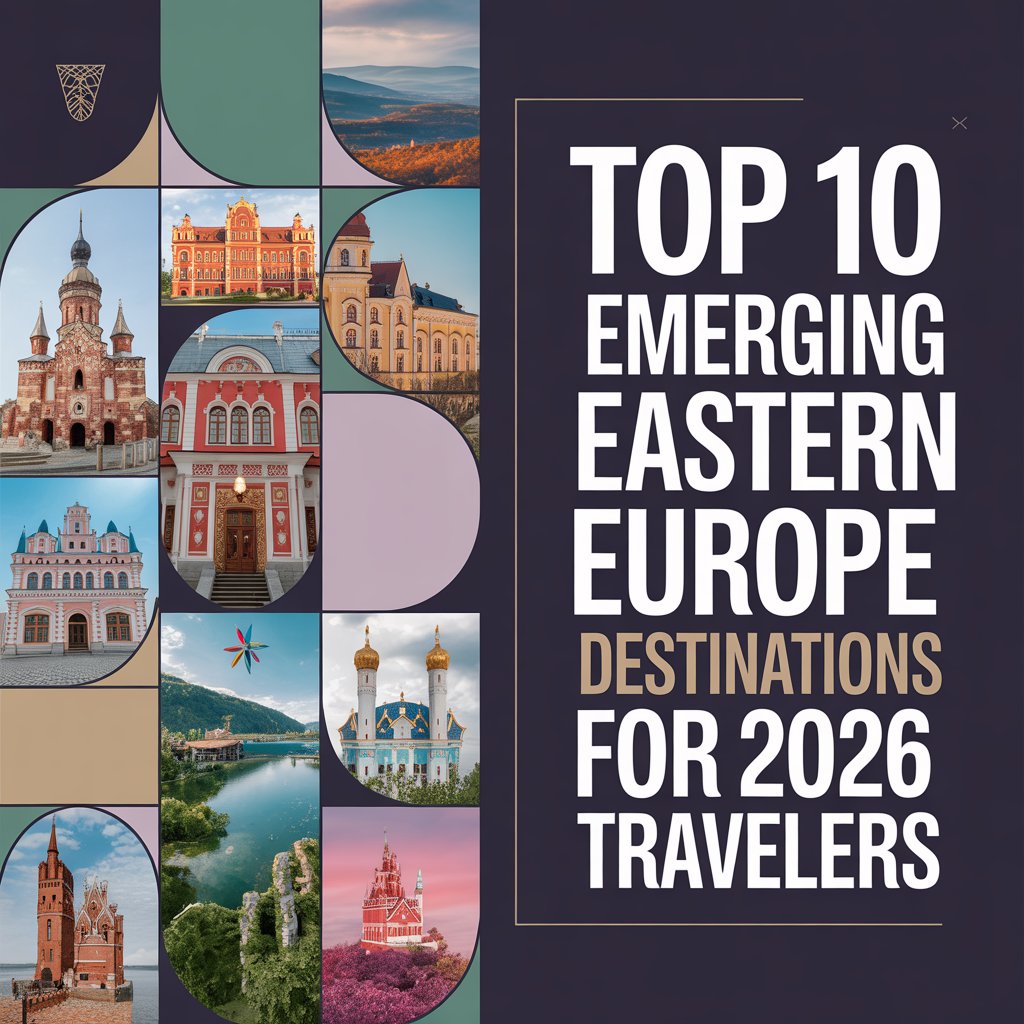
If you’re still debating whether Eastern Europe belongs on your 2026 radar, consider this: average hotel rates in Prague hover around $120/night—a fraction of Paris’s $300+ average. Better yet, most Eastern European cities have perfected contactless transportation systems that put American infrastructure to shame (looking at you, NYC subway), with 24-hour trams and metro lines costing less than $2 per ride. These destinations aren’t just cheaper—they’re fundamentally easier to navigate without speaking the language, thanks to widespread English proficiency among service industry workers under 40.
1. Prague: The Underrated Gem That Keeps Delivering
Prague continues to defy expectations in 2026 as travelers discover that its magic extends far beyond the crowded Charles Bridge. While Old Town remains a visual masterpiece, savvy visitors are now booking stays in Vinohrady and Karlín—neighborhoods where Art Nouveau facades house indie coffee roasters and vintage shops frequented by locals. The best part? You can still experience Prague’s iconic sites with minimal crowds by timing visits strategically; book Charles Bridge at sunrise through the Prague Visitor Pass for a serene, crowd-free crossing that feels like having the city to yourself.
From Prague, day trips to Kutná Hora (with its bone church) or Karlštejn Castle are seamlessly accessible via regional rail ($12 roundtrip), extending your Czech experience without requiring another overnight stay. My insider tip: purchase the 72-hour PID Lítačka card ($25) that covers all trams, metros, and suburban trains within Prague’s zones, plus free entry to 10+ museums.
| Destination | Avg. US Airfare (2026) | Avg. Hotel Cost/Night | Must-Try Local Dish |
|---|---|---|---|
| Prague | $685 | $120 | Svíčková (beef sirloin in cream sauce) |
| Budapest | $720 | $95 | Goulash soup |
| Sofia | $641 | $65 | Banitsa (cheese pastry) |
Pro Tip: Skip the tourist trap restaurants near Old Town Square—instead head to Kantýna (Křižovnická 10) for authentic Czech comfort food where a three-course meal with beer costs under $20. Their crispy duck leg with beer dumplings will convert even the most skeptical eater into a Czech cuisine fan.
2. Sofia: Bulgaria’s Mountain-Backed Urban Oasis
Sofia remains Eastern Europe’s best-kept secret for travelers seeking authenticity without sacrificing urban amenities. The city’s secret weapon? It’s compact enough to navigate entirely on foot, yet offers effortless access to nature—Vitosha Mountain’s hiking trails begin just 20 minutes from the city center via metro. For 2026, Sofia has quietly become the ultimate “workation” destination, with reliable high-speed internet in vintage cafes and coworking spaces like Bold Cafe + Co where freelancers plug in amid Ottoman-era architecture.
Beyond the golden-domed Alexander Nevsky Cathedral and ancient Roman ruins beneath modern streets, Sofia’s under-the-radar art scene is exploding. Don’t miss the IBA Gallery (near Serdika Station) showcasing contemporary Bulgarian artists in a restored neoclassical building, or Saturday morning’s Telerik IMPACT startup demo days where you might catch the next Spotify while sipping native Stara Planina coffee.
“Eastern Europe is on the rise as travelers look for high-impact trips without the high price tag,” says Sarah Kennedy, KAYAK travel trends expert, confirming Sofia’s status as Bulgaria’s rising star. With airfare to Sofia down 24% to just $641 from New York, the value proposition is undeniable.
Pro Tip: Book a weekend escape package through Bulgaria On Travel that combines Sofia city highlights with Plovdiv (just 1.5 hours by modern train) for under $300 including transport, accommodation, and guided tours—this dynamic duo delivers both ancient Thracian history (Plovdiv is older than Rome!) and Sofia’s Ottoman-Victorian fusion energy.
3. Budapest: Thermal Baths and Timeless Elegance
Budapest isn’t just holding its own in 2026—it’s actively reinventing itself as Europe’s premier wellness destination. While the iconic Széchenyi Thermal Baths remain a must-visit, locals now favor the restored Rudas Baths (open nightly until 2AM for a moonlit soak in Ottoman-era pools). The city’s newest sensation? The Gellért Hill Caves, where you can experience floating meditation sessions in a natural thermal cave sanctuary—a true mind-blowing fusion of spirituality and hydrotherapy.
But beyond the baths, Budapest’s food revolution continues to accelerate. MÁK Restaurant in the 7th district serves reimagined Hungarian classics like goose liver pâté with sour cherry gel in a 150-year-old synagogue space, while High Note SkyBar atop the Aria Hotel offers cocktails with panoramic views rivaling New York’s hottest rooftops—yet at $10 per drink instead of $20.
What truly sets Budapest apart in 2026 is its interconnected public transport system. The new Budapest Card ($32 for 72 hours) covers unlimited metro, tram, and bus travel plus free entry to 25+ attractions—a smarter value than buying separate tickets.
Where to Eat Like a Local(click for hidden gems)
Avoid the tourist traps around Váci Street and head instead to these authentic spots:
– **Fogas Ház**: Historic ruin bar serving pörkölt (Hungarian beef stew) in original ceramic pots
– **Kádár Étkezde**: Family-run spot since 1973, 5-min walk from Parliament, known for authentic halászlé (fisherman’s soup)
– **Impact Hub Budapest**: Sustainable cafe near Keleti Station for third-wave coffee and vegan Hungarian fusion
Even with prices rising across Europe, you can still enjoy dinner for two with wine for under $40 at these genuine eateries.
Pro Tip: Time your visit with the Sziget Festival (August) and book accommodations in Buda rather than Pest—you’ll save 35% on lodging, avoid festival crowds, and still be just 10 minutes via tram to the concert grounds. Use the free shuttle from Clark Ádám tér to cross the Danube directly to the festival.
4. Krakow: History That Lives and Breathes
Krakow delivers the perfect 2026 balance between iconic landmarks and intimate local experiences. The Main Square remains breathtaking, but the real magic happens in Kazimierz, the revitalized Jewish Quarter where synagogues now house indie boutiques and the former textile halls host artisan markets. For an authentic peek behind the tourist curtain, join a “Backyard Krakow” tour with Urban Walks to explore hidden courtyards and meet multi-generational residents still practicing traditional crafts.
In 2026, Krakow shines brightest for cultural travelers through its day trip opportunities. The Wieliczka Salt Mine tour has added evening lantern-lit sessions ($35) where you descend 1,000 feet beneath the earth into chambers with chapels carved from pure salt. Even better? Book a private guided hike to Zakopane ($120 for 4 people), the Alpine-style mountain town that serves as gateway to Poland’s Tatra National Park and legendary oscypek smoked cheese.
| Route | Transport Option | Cost | Time |
|---|---|---|---|
| Krakow → Wieliczka | Local train | $3.50 | 25 mins |
| Krakow → Zakopane | Express bus | $12 | 2 hrs |
| Krakow → Auschwitz | Guided minivan | $45 | 1.5 hrs |
Pro Tip: Skip the crowded Main Square restaurants and head instead to Pod Aniołami (the oldest restaurant in Poland, est. 1369) where generations of Polish royalty dined on pierogi and game meats—your table reservation includes complimentary entry to their private medieval artifact museum.
5. Sarajevo: Where East Meets West in Stunning Harmony
Sarajevo continues to astound 2026 travelers with its improbable blend of Ottoman minarets and Austro-Hungarian architecture standing shoulder-to-shoulder. The city’s hidden superpower? Its coffee culture rivals Istanbul’s but costs less than $2 per cup at traditional mehan (coffee houses) along Baščaršija. Start your morning with a Bosnian espresso and štrukle (cheese pastry), then wander the Sebilj Fountain area where locals still practice centuries-old copper crafting.
What makes Sarajevo uniquely compelling in 2026 is its position as Europe’s adventure capital that few Americans have discovered. After exploring the Sarajevo Tunnel Museum (the lifeline during the siege), head just 20 minutes to Bjelašnica Mountain for hiking trails that offer panoramic city views and World War I trenches now carpeted with wildflowers. According to KAYAK data, airfare to Sarajevo has dropped 36% to just $632 on average—a steal considering what you get.
Pro Tip: Book accommodations in the Čubursija neighborhood (just across the Miljacka River from Baščaršija) for authentic homestays through Bosnia Side where families host travelers in Ottoman-era homes with kitchen privileges—a $45/night experience that includes traditional cooking lessons.
6. Riga: Latvia’s Art Nouveau Wonderland
Riga stands out in 2026 as Eastern Europe’s most underrated architectural masterpiece, home to over 800 Art Nouveau buildings—more than any city in the world. The real magic happens in the quiet streets radiating from Alberta iela, where UNESCO-protected facades feature intricate mythological sculptures that glow golden in afternoon light. Time your visit with the Riga Art Nouveau Festival (late May) when restored buildings open their doors for guided tours, period costume photo ops, and live chamber music in original salons.
Beyond architecture, Riga has become a serious food destination. 365 Dienas market offers immersive Latvian cuisine experiences with 40+ vendors serving everything from smoked sprats to skābeņu zupa (beetroot soup)—arrive early to snatch a window seat overlooking the Daugava River. For unusual souvenirs, visit Jāņa Kerēvica Crafts where glassblowers transform medieval techniques into modern jewelry that costs less than high-street fashion accessories.
Pro Tip: Purchase the Riga Card ($35 for 72 hours) which covers unlimited public transport plus free entry to 40+ museums and attractions, including the newly opened Latvian National Museum of Art—skip-the-line access alone saves hours during peak travel months.
7. Tallinn: Estonia’s Medieval Tech Hub
Tallinn combines the best of old and new with enchanting results. The preserved Old Town (a UNESCO site since 1997) transports visitors to the Hanseatic era with cobblestone streets and Gothic spires, yet it’s just a short tram ride from Tealight, Estonia’s Silicon Valley where startups valued at $1B+ launched. This paradox creates unique experiences: sip craft beer at Põhjala Brewery overlooking ancient city walls, then join a blockchain workshop at Garage48 hosted by Skype’s founding developers.
In 2026, Tallinn shines brightest during shoulder seasons (April-May and September-October) when cruise ship crowds thin but museums and cafes remain fully operational. Don’t miss Kopli, the revitalized Soviet-era shipyard now housing design studios and the Seaplane Harbour Museum where you can step inside a real submarine. For authentic Estonian flavors, NOA Restaurant serves pine-infused dishes from nearby forests paired with local craft gin.
Pro Tip: Book a VR walking tour through Tallinn VR where historical scenes appear through your phone as you walk—the Charles Church ruins transform before your eyes into their 15th century glory, making history tangible in ways no guidebook can match.
8. Plovdiv: Europe’s Second-Oldest City Comes Alive
Plovdiv, Bulgaria’s cultural capital (older than Rome by two millennia!), is Eastern Europe’s best-kept secret for 2026. The Ancient Theatre of Philippopolis still hosts summer concerts with 5,000-seat capacity, but the real magic happens in the Old Town’s Kapana district, where cobbled streets weave past Ottoman houses converted into artisan workshops. Start your day at Café Block for traditional banitsa pastry, then wander Gallery 6 where Bulgarian artists display contemporary works in century-old buildings.
What makes Plovdiv extraordinary is its layer-cake history visible in everything from Thracian tomb excavations to Communist-era murals. In 2026, the city has introduced “Time Travel” guided walks where historians lead small groups through specific historical periods (book through Plovdiv Curious). For something truly special, visit during the Kapana Fest (June), when the entire district transforms into an open-air gallery with street art demonstrations and live music spilling from every courtyard.
Pro Tip: Stay in a restored Ottoman house through Plovdiv Heritage where original architectural details meet modern amenities—a $75/night room includes homemade rakiya welcome drink and personalized walking tours from your host.
9. Ljubljana: Slovenia’s Underrated Urban Jewel
Ljubljana, Slovenia’s charming capital, is quietly becoming Europe’s best urban getaway for travelers seeking authenticity without frenzy. The Ljubljanica River snakes through the city center where open-air cafes spill onto bridges beneath Ljubljana Castle, yet you’ll rarely encounter the suffocating crowds of Venice or Dubrovnik. In 2026, the city has perfected its “green city” status with car-free zones covering 90% of the historic center and a robust bike-sharing system ($1.50/hour).
Foodies should head straight to Central Market near Triple Bridge where Lake Bled cheesemakers and Istrian truffle hunters sell directly to visitors. Don’t miss Gostilna na gradu, a castle-restaurant serving traditional Slovenian dishes like potica (nut roll cake) in medieval dining rooms with panoramic city views. Beyond the city, day trips to Lake Bled ($15 roundtrip by bus) or Postojna Cave ($30 guided tour) are easier than ever with Slovenia’s efficient public transit.
Pro Tip: Take advantage of Ljubljana’s free guided walks (offered daily at 10AM and 2PM from the tourist office)—these 2-hour strolls cover hidden courtyards and architectural highlights led by locals who share stories no guidebook captures.
10. Mostar: Bosnia’s Living Bridge to Reconciliation
Mostar, rebuilt stronger than ever since its famous bridge’s reconstruction, offers perhaps Eastern Europe’s most emotionally resonant travel experience in 2026. The Stari Most (Old Bridge) arching over the emerald Neretva River remains the city’s heart, where divers still perform 16th-century jumping rituals for coins—watch from Koski Mehmed Pasha Mosque’s terrace for the best views. Beyond the bridge, Mostar’s charm lies in its Baščaršija, where copper artisans shape traditional coffee sets using techniques unchanged since Ottoman times.
What makes Mostar extraordinary is its role as a living classroom in reconciliation. The Mostar Youth Theatre brings together Bosnian Muslim, Serb, and Croat performers in productions that address the city’s conflicted past through art. In 2026, the city has introduced “Bridge Builders” tours led by reconciliation activists who share personal stories while visiting restored churches, mosques, and Jewish sites through Mostar Bridge.
Pro Tip: Time your visit with sunset (around 4:30PM in winter, 8:30PM in summer) when the bridge glows amber and local musicians play traditional sevdah music along the riverbank—a moment of pure magic that costs absolutely nothing but creates lifetime memories.
The Future of Eastern Europe Travel: Why 2026 Is Your Year
Eastern Europe’s emergence as the world’s most exciting travel region isn’t accidental—it’s the perfect confluence of reduced airfares, improved infrastructure, and travelers’ evolving priorities. While my team tracks dozens of metrics for emerging destinations, three factors signal Eastern Europe’s staying power beyond the 2026 season:
- Sustainable Tourism Development: Unlike overcrowded Western European cities implementing tourist taxes, Eastern European destinations are proactively investing tourism revenue into infrastructure and cultural preservation—ensuring long-term accessibility.
- Multigenerational Appeal: These destinations uniquely satisfy Gen Z adventurers (seeking authentic experiences) while providing Boomers with walkable cities and reliable transport—Budapest’s metro system, for instance, boasts 99% on-time performance.
- Smart Connectivity: New direct flights from major US hubs to Budapest (via Delta) and Warsaw (via United) make entry easier than ever, with regional airports like Sarajevo and Riga expanding capacity for connecting flights.
As American Express Travel recently noted in their 2026 Trend Report, “Travelers aren’t just collecting passport stamps—they’re seeking stories worth telling.” Eastern Europe delivers precisely that: transformative moments at feasible price points, where your dollar not only stretches further but supports communities actively rebuilding their cultural identities.
So while others wait for peak season crowds to descend on Santorini or Amsterdam, book your Eastern European adventure now—because the smartest travel decisions aren’t made when destinations hit their tipping point, but when you recognize their potential before everyone else does. As Sarah Kennedy of KAYAK wisely observed: “With summer Europe airfare down 14% according to KAYAK data, more travelers are broadening their searches and discovering destinations they once overlooked.” The opportunity is here, the prices are right, and the experiences are waiting—your 2026 Eastern European adventure starts now.