
Introduction to America’s Crown Jewels
America’s national parks represent the beating heart of our country’s natural heritage, offering unparalleled opportunities for adventure, reflection, and connection with the wild spaces that make our nation extraordinary. As a marketing director with over 15 years specializing in travel experiences, I’ve witnessed how these protected lands transform visitors’ lives—creating memories that become family lore and sparking passions for conservation that last generations.
With 63 designated national parks spread across 31 states and two U.S. territories, the National Park System protects more than 85 million acres of mountains, forests, deserts, and coastlines. According to the National Park Service, these natural treasures welcomed 325.5 million recreation visits in 2023 alone, with national parks comprising approximately 28% of that impressive figure. The growing interest in authentic outdoor experiences makes 2026 the perfect year to explore these irreplaceable landscapes before visitor restrictions potentially tighten due to conservation concerns.
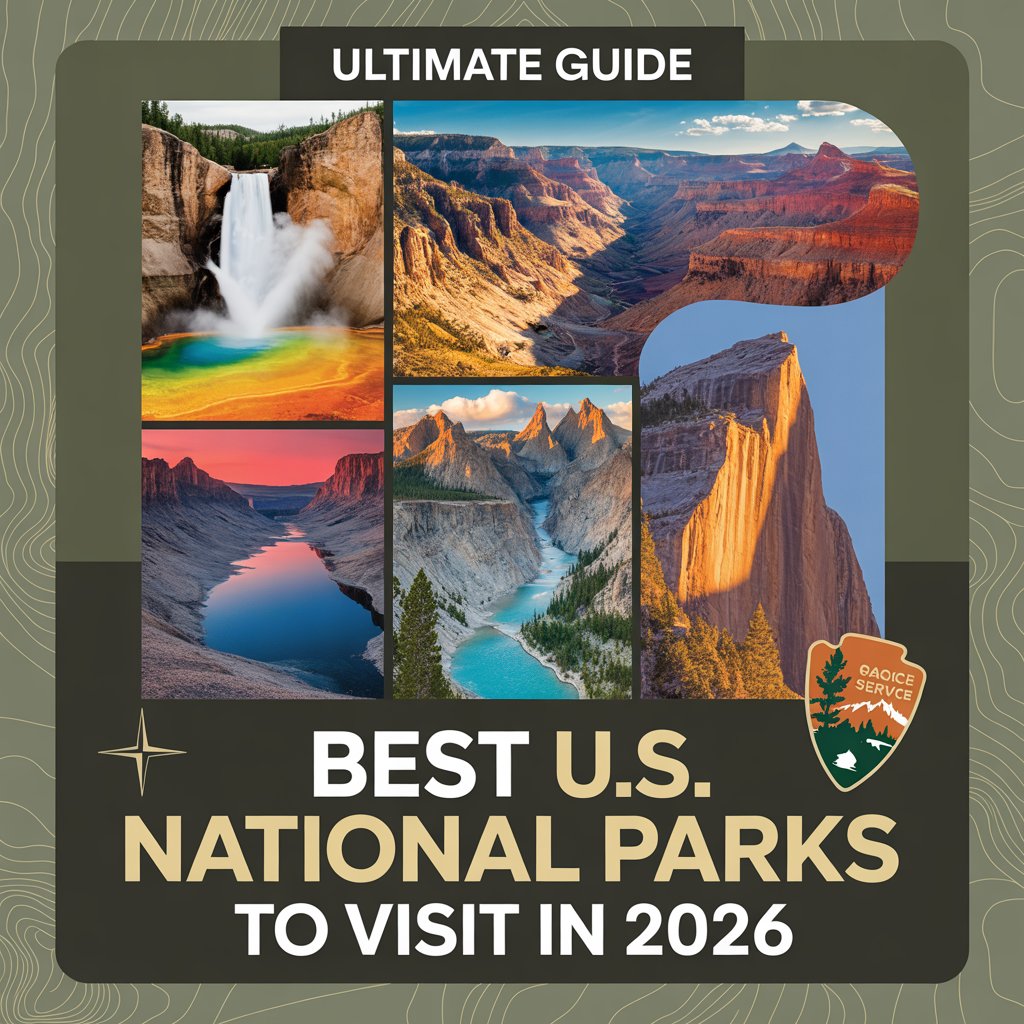
Why 2026 Will Be a Special Year for National Parks
2026 carries special significance beyond being another calendar year—it marks the 154th anniversary of America’s pioneering commitment to conservation, a legacy that began when President Ulysses S. Grant signed the bill establishing Yellowstone as the first national park on March 1, 1872. This year also falls within a critical window for experiencing many parks before potential changes to reservation systems and visitor management policies take effect.
The increasing popularity of national parks has created both opportunities and challenges. “National parks join forces with other National Park System areas to cover more than 85 million acres of mountains, dense forests, deserts, rock formations, and other incredible natural wonders,” notes Travel + Leisure. As these destinations face unprecedented visitation, 2026 represents your last chance to experience some parks with relatively fewer crowds before new capacity management systems likely transform how we access these natural treasures.
The Top 10 Must-Visit National Parks in 2026
Yellowstone National Park: America’s First & Most Iconic
Yellowstone’s geothermal wonders, abundant wildlife, and sweeping landscapes make it the undisputed crown jewel of the National Park System. Spanning 2.2 million acres across Wyoming, Montana, and Idaho, this park delivers an unparalleled showcase of geysers (including the famous Old Faithful), hot springs, canyons, and rivers teeming with life. Whether you’re watching bison roam the Lamar Valley or marveling at the vibrant colors of Grand Prismatic Spring, Yellowstone offers experiences found nowhere else on Earth.
“Those who have experienced the wonder of Yellowstone can attest to the grandeur and awe-inspiring nature of the park,” remarks Kevin Jackson, CEO of EXP Journeys, as cited by Travel + Leisure. “Yellowstone stands out due to its…”
Pro Tip: For families visiting Yellowstone in 2026, consider staying near the park entrance at accommodations like the Starlite Yellowstone, Tapestry Collection by Hilton, which offers vehicle rentals including e-bikes for exploring the park more sustainably. Weekday visits during May or October provide the optimal balance of manageable crowds and pleasant weather conditions.
Glacier National Park: Where the Rockies Meet Water
Topping multiple “best of” lists including U.S. News, Glacier National Park earns its #1 ranking with breathtaking scenery spanning three mountain ranges and more than 700 pristine lakes across northwest Montana. This UNESCO World Heritage Site offers everything from leisurely drives along the Going-to-the-Sun Road to challenging hikes past waterfalls and glaciers (though shrinking due to climate change).
The park’s commitment to environmental education shines through its free ranger-led activities—perfect for visitors of all ages seeking meaningful connections with nature. Don’t miss the opportunity to cross into Waterton-Glacier International Peace Park, the world’s first international peace park on the Canadian border, where dramatic mountain landscapes create photographic moments around every bend.
Grand Canyon National Park: Nature’s Masterpiece in Stone
Few natural wonders rival the sheer scale and artistic beauty of the Grand Canyon, where the Colorado River has carved through layers of rock revealing nearly two billion years of Earth’s history. The South Rim remains accessible year-round and delivers iconic viewpoints like Mather Point and Hopi Point, while the North Rim offers a more secluded experience with higher elevation and cooler temperatures.
For an unforgettable perspective, consider a helicopter tour at sunrise when the canyon walls glow with fiery reds and oranges. Alternatively, hike a portion of the strenuous but rewarding Bright Angel Trail, turning around at your halfway point to ensure safe return. With proper planning, this Arizona icon delivers the awe-inspiring experience millions come to witness each year.
National Park Rankings: What the Experts Are Saying
Various publications have weighed in on which national parks deserve top billing for 2026 travelers. Based on my analysis of industry publications, ranger insights, and visitor feedback, here’s how the top contenders stack up across critical categories:
2026 National Park Excellence Comparison
| Park Name | Scenic Beauty (1-10) | Wildlife Viewing | Hiking Variety | Family-Friendly | Best Time to Visit |
|---|---|---|---|---|---|
| Glacier National Park | 9.8 | 9.2 | 9.5 | 8.5 | June-September |
| Yellowstone | 9.5 | 9.8 | 9.0 | 9.0 | May, October |
| Great Smoky Mountains | 9.0 | 8.5 | 9.5 | 9.5 | Spring, Fall |
| Yosemite | 9.7 | 8.0 | 9.7 | 8.0 | April-June |
| Zion | 9.3 | 7.5 | 9.3 | 8.5 | March-May, Sept-Oct |
| Grand Teton | 9.6 | 9.5 | 8.5 | 8.0 | June-September |
| Acadia | 9.2 | 7.0 | 9.0 | 9.0 | May-June, Sept-Oct |
According to U.S. News Travel, Glacier National Park earns its top spot due to its “expansive hiking trails,” scenic Going-to-the-Sun Road, and “free ranger-led activities like guided hikes and stargazing events ideal for visitors of all ages.” The publication evaluated parks based on scenic beauty, range of activities, and both expert and visitor opinions.
What makes these rankings particularly valuable for 2026 planning is how they address seasonality and specific visitor needs. For instance, while Yosemite consistently ranks high for its iconic valley views, its lower family-friendliness score reflects both limited stroller accessibility and dangerous cliff edges that require constant vigilance with young children.
Month-by-Month Guide to Visiting National Parks in 2026
Spring Wonders (March-May)
As winter’s grip loosens across much of the country, spring transforms many national parks into blooming paradises with moderate temperatures perfect for active exploration. Only In Your State recommends March as the ideal time for visiting Big Bend National Park in southern Texas, which “has it all—mountains, canyons, a river, and all kinds of bird and wildlife.”
Consider pairing your park visit with the Texas Hill Country wildflower season for a double dose of spring beauty. April and May shine for Yosemite National Park, when waterfalls reach peak flow from melting snow. The valley’s iconic views of El Capitan and Half Dome framed by blooming dogwood trees create photographic magic unmatched at other times of year.
Summer Escapes (June-August)
While summer brings larger crowds to most parks, strategic planning can help you beat the rush while enjoying optimal weather conditions. Head to Alaska’s Denali National Park and Preserve during June and July for nearly 24 hours of daylight and the best chance to see grizzly bears, caribou, and Dall sheep in their natural habitat.
Alternatively, beat the heat by visiting higher-altitude parks like Rocky Mountain National Park, where July brings wildflower blooms across alpine meadows and the famous elk rutting season begins in August. As noted by Hilton.com travel, “Hiking, kayaking, and stargazing are favorite warm-weather activities” in parks like Glacier that offer diverse ecosystems.
Fall Adventures (September-November)
Fall brings golden aspens, crisp air, and fewer visitors to many parks, making September and October particularly magical for Great Smoky Mountains National Park. The synchronous fireflies in late spring may draw crowds, but fall delivers unparalleled foliage viewing along Newfound Gap Road and access to historic cabins without summer’s congestion.
November offers ideal conditions for Arches and Canyonlands National Parks in Utah, with comfortable temperatures for hiking among the red rock formations. The low angle of the autumn sun creates dramatic shadows across the sandstone landscapes, making this photographer’s dream season. Winter preparations begin in earnest at higher elevation parks, but lower elevation parks like Everglades National Park become increasingly appealing as temperatures cool.
Insider Tips for Planning Your 2026 National Park Adventures
Strategic Booking & Timing
The days of showing up at a national park without planning are rapidly disappearing. For 2026 visits, implement these booking strategies:
- Reserve accommodations 6-12 months in advance for popular parks like Yosemite, Zion, and Grand Canyon
- Understand which parks require timed entry permits (currently Rocky Mountain, Arches, and Glacier during peak season)
- For campsites, set multiple calendar reminders for the 6-month booking window
- Research park-specific reservation systems that may change in 2026
Pro Marketing Tip: I've found the most successful travelers develop a "park portfolio" approach—pairing extremely popular destinations (like Yellowstone in summer) with nearby lesser-known parks (Grand Teton in this case). This strategy allows recovery from crowds while maximizing your overall trip value. Consider purchasing the $80 America the Beautiful Annual Pass for multiple park visits, which covers entrance fees for you and all passengers in a single vehicle.Mastering the Reservation Maze
“Plan ahead to ensure you can visit on your preferred date,” advises U.S. News Travel, noting that some national parks require reservations for timed entry. Beyond securing entry, consider these often-overlooked booking aspects:
- Special activity permits – Backcountry camping, rafting trips, and certain guided tours require separate permits
- Park gateway towns – Book accommodations in multiple nearby towns as backup options
- Transportation limitations – Some parks like Zion have shuttle requirements that affect entry timing
- Year-round access considerations – Road closures (especially in mountain parks) impact seasonal accessibility
For advanced planners, consider January 2026 bookings for summer 2026 access when many parks open reservation windows six months in advance. Set up Google Alerts for specific park reservation announcements to catch last-minute openings.
Conservation and Responsible Tourism: Visiting With Purpose
Leave No Trace Principles for 2026 Travelers
As visitation pressures intensify at popular parks, adopting responsible practices isn’t just recommended—it’s essential for preserving these treasures for future generations. The Outdoor Recreation Roundtable recently highlighted growing concerns about overcrowding’s impact on sensitive ecosystems, noting that “federal job cuts have reduced resources at national parks and national forests,” as mentioned by Only In Your State.
Following these Leave No Trace principles will help minimize your impact:
- Stay on designated trails to protect fragile habitats
- Pack out everything you pack in (including food scraps)
- Keep wildlife wild (maintain 100 yards from bears/wolves, 25 yards from other animals)
- Respect closed areas and seasonal restrictions
- Use established campsites and fire rings
Supporting Park Preservation Efforts
Your visit directly contributes to conservation through entrance fees (80% stay in the park you visit), but additional meaningful support comes through these channels:
- Purchase quality merchandise from official park cooperatives like the National Park Foundation
- Volunteer for trail maintenance projects through organizations like Park Rangers (16-18 years and older)
- Donate to Friends of National Parks organizations supporting specific park needs
- Participate in citizen science projects documenting wildlife sightings through official park apps
“National parks are the best idea we ever had,” paraphrased Ken Burns in his documentary on the national park system, reflecting Wallace Stegner’s famous quote cited by Only In Your State. Supporting these institutions isn’t just patriotic—it’s an investment in America’s natural legacy.
Planning Your Best National Park Adventure in 2026
Each national park offers a unique window into America’s natural heritage, from the geothermal wonders of Yellowstone to the ancient forests of Redwood National and State Parks. With strategic planning, mindful visitation, and a spirit of adventure, your 2026 national park experiences can become the highlight of your travel year.
As noted by industry experts across multiple publications, the key to exceptional national park visits lies in balancing popular destinations with hidden gems, timing your visits strategically, and embracing the slower pace that allows true connection with these remarkable places. The $80 America the Beautiful Annual Pass remains one of travel’s best values, providing entry to more than 2,000 federal recreation sites across the country.
Begin your planning today—not just for where you’ll go, but how you’ll get there, where you’ll stay, and what experiences matter most to you. The parks are waiting, ready to deliver transformative experiences that will stay with you long after the trip ends. As you chart your 2026 national park adventures, remember that the journey through America’s natural treasures is not just about seeing beautiful places—it’s about discovering yourself within the magnificent landscapes that define our nation’s spirit.
Additional Resources for 2026 National Park Travelers
- National Park Service Official Website
- America the Beautiful Pass Information
- National Park Foundation
- Find Your Park Mobile App
- Best National Parks Communities on Reddit (r/NationalParks) and Facebook Groups for real-time advice
Expand: Climate Considerations for 2026 Planning
Climate change increasingly affects national park conditions, with earlier snowmelt, changing wildlife patterns, and more extreme weather events. When planning your 2026 visits:
- Check park websites for current conditions rather than relying on historical patterns
- Prepare for rapidly changing weather with layered clothing
- Consider visiting higher-altitude parks earlier in the season as snowpack diminishes
- Choose shoulder seasons (spring/fall) for more comfortable temperatures
- Be flexible with itineraries as wildfires may impact air quality in Western parks
- Contribute to climate solutions through carbon offset programs when booking travel