
Why 2026 Is Asia’s Defining Year for US Travelers
$Asia$ has always captivated American travelers with its intricate blend of ancient traditions and futuristic innovation. As we approach 2026, a remarkable transformation is underway across the continent—one that perfectly aligns with evolving American travel preferences. After analyzing industry trends, consumer behavior data, and emerging destinations, I can confidently say that 2026 represents Asia’s most accessible, authentic, and rewarding travel window for US citizens in decades.
From new direct flight routes between major American hubs and Asian cities to groundbreaking visa policies designed specifically for Western tourists, the barriers that once kept many Americans from exploring deeper into Asia are rapidly disappearing. The continent now offers unprecedented opportunities for cultural immersion, adventure, and relaxation—all while embracing sustainable practices that resonate with today’s conscious American traveler. As Rough Guides’ analysis of 30,000 trip inquiries revealed, Americans are increasingly seeking “slower, more intentional travel” experiences that prioritize meaningful connections over checklist tourism.
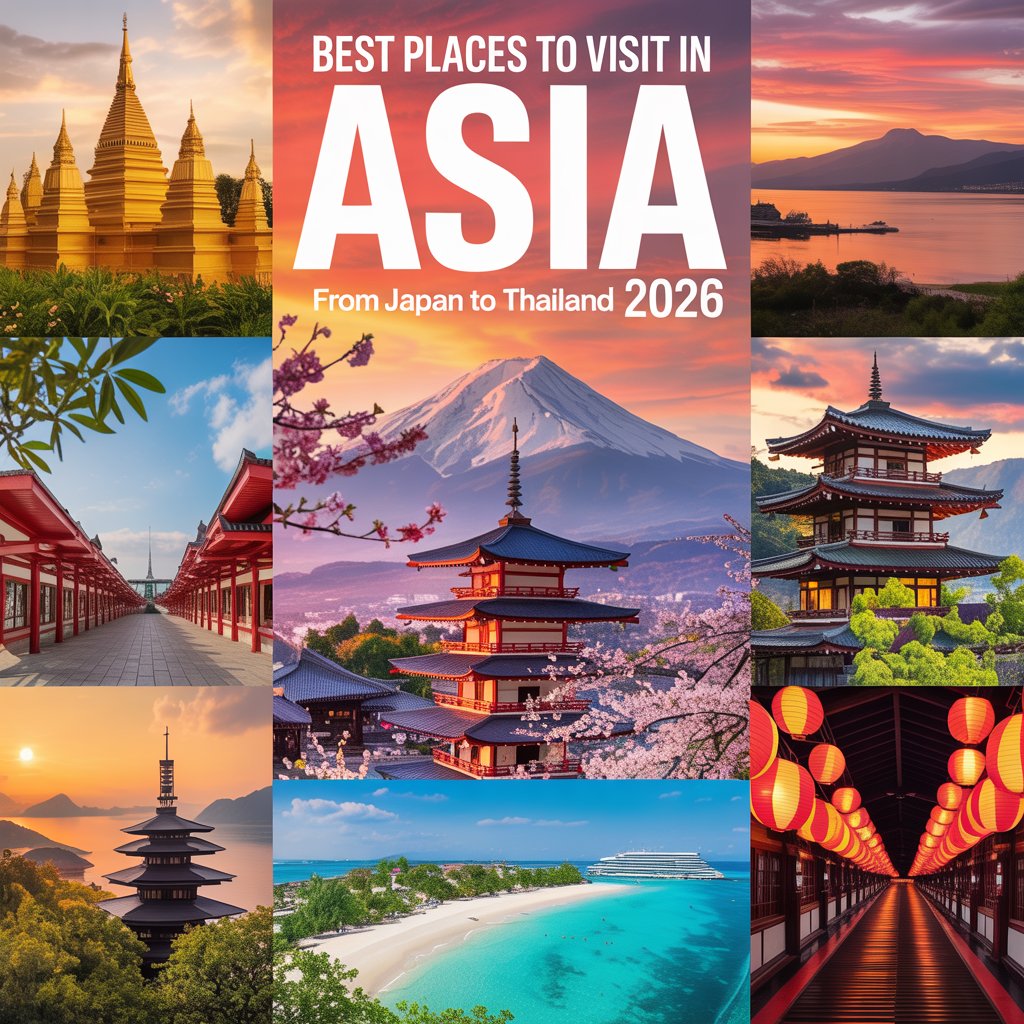
Travel isn’t just about seeing new places—it’s about becoming someone new through those experiences. And Asia, with its profound spiritual traditions and diverse cultures, remains unparalleled in this transformative power. As we navigate the complexities of modern life back home, Asia offers American travelers what they’re increasingly craving: authenticity, mindfulness, and human connection.
“Rough Guides just dropped its list of the 26 best places to travel in 2026, and Asia is having a very good year. Out of the global shortlist, seven Asian destinations made the cut – with the number one spot going to a destination most of us know (and love) all too well: Bali.” – Rough Guides
Japan: Where Tradition Meets Tomorrow
Japan continues its remarkable resurgence as one of America’s top Asian destinations for 2026, offering a perfect fusion of time-honored traditions and cutting-edge innovation that resonates deeply with US travelers. While Tokyo remains a magnet for its neon-lit streets and Michelin-starred dining, 2026 sees American visitors increasingly venturing beyond the capital to discover Japan’s soul in places like Kyoto’s meditative temples and Hokkaido’s pristine winter landscapes.
📱 Pro Tip for US Travelers
Download these essential apps before departure: Japan Travel by Navitime (for train schedules), Google Translate (enable offline Japanese packs), and Tabelog (the Japanese equivalent of Yelp). Consider investing in a Pocket WiFi device rather than relying on international roaming—the connectivity is significantly more reliable across rural areas.
The numbers tell an optimistic story: Japan Tourism Agency reports that US visitor numbers have already surpassed pre-pandemic levels, with projections showing 20% growth for 2026. What’s driving this American enthusiasm? Beyond Mount Fuji’s timeless appeal and the culinary pilgrimage to Tokyo’s 200+ Michelin-starred restaurants, Japan offers something uniquely valuable to stressed American professionals—a cultural framework for mindfulness and presence.
| Destination | Best Time to Visit | Budget Range (per day) | Must-Experience |
|---|---|---|---|
| Tokyo | March-May, Sept-Nov | $$$ | Senso-ji Temple, TeamLab Borderless, Tsukiji Market |
| Kyoto | April, Oct-Nov | $$-$$$ | Fushimi Inari Shrine, Golden Pavilion, Tea Ceremony |
| Hokkaido | Jan-Mar, Aug-Oct | $$-$$$ | Sapporo Snow Festival, Otaru Canal, Niseko Skiing |
| Okinawa | Apr-Jun, Oct-Dec | $$ | Shurijo Castle, Ishigaki Island, Traditional Ryukyuan Music |
American travelers are increasingly drawn to Japan’s unique ability to honor ancient rituals while pioneering the future. Consider the tea ceremony—a practice unchanged for centuries—now being taught through virtual reality experiences in Tokyo. Or the spiritual practice of shinrin-yoku (forest bathing) which has entered American wellness vocabulary but finds its authentic roots in Japan’s cedar forests. For US visitors seeking both adventure and tranquility, Japan delivers in ways few destinations can match.
Thailand: Beyond the Beaches – A Cultural Renaissance
While Thailand has long been America’s gateway to Southeast Asia, 2026 marks a significant evolution in how US travelers experience this vibrant kingdom. No longer content with just beach lounging and jet-ski adventures, American visitors are embracing Thailand’s deeper cultural fabric—from the royal temples of Bangkok to the hill tribe communities of Chiang Mai’s hinterlands.
The Songkran water festival, Thailand’s traditional New Year celebration in mid-April, has evolved from a local tradition to a full-scale cultural immersion experience that increasingly draws American travelers seeking authentic participation rather than passive observation. Unlike the commercialized versions you might find in Phuket’s nightlife districts, communities near Chiang Mai offer genuine Songkran experiences where US visitors can join locals in the ritual cleansing ceremonies that symbolize washing away misfortune.
💰 Budget Breakdown: Thailand for American Travelers
Thailand remains one of Asia’s most budget-friendly destinations for Americans, with costs still significantly below Japan or Singapore. The strengthening US dollar against the Thai baht makes 2026 particularly advantageous for American travelers.
- Luxury Experience: $150-$300/day (private villa, premium tours, fine dining)
- Mid-Range: $75-$150/day (boutique hotel, guided tours, nice restaurants)
- Backpacker Budget: $30-$60/day (hostels, street food, public transport)
The transformation of Thai tourism is intentional. According to Thailand’s Tourism Authority, their 2026 strategy deliberately shifts focus from quantity to quality of visitors—prioritizing travelers who engage respectfully with Thai culture and contribute meaningfully to local communities. “Bangkok, with its bustling markets, temples, and vibrant street life, remains an unmissable stop,” notes the Travel Pulse guide, but the real story for American travelers lies beyond the capital.
Thailand’s culinary renaissance offers another compelling reason for US visitors in 2026. Michelin has expanded its Bangkok guide to include more regional specialties, and American foodies are discovering that the best Thai cooking happens far from tourist hubs—in family kitchens where recipes have been passed down for generations. Consider booking a cooking class in Ayutthaya where you’ll visit local markets with your host family before preparing meals together in their home kitchen—a truly authentic experience that benefits the community directly.
Vietnam: The Rising Star of Southeast Asia
Vietnam has quietly become America’s fastest-growing Asian destination, and 2026 represents its coming-out party as a must-visit destination that offers extraordinary value without compromising on authentic experiences. From the limestone karsts of Halong Bay to the ancient merchant town of Hoi An, Vietnam provides American travelers with dramatic landscapes, storied history, and culinary adventures that have earned it global acclaim.
What sets Vietnam apart for US travelers in 2026 is its remarkable accessibility. Direct flights from San Francisco to Ho Chi Minh City have dramatically reduced travel time, while e-visa policies designed specifically for American citizens streamline entry. The Vietnamese government’s targeted marketing toward American travelers has paid off—visit numbers from the US have tripled since 2022 as more Americans discover Vietnam’s ideal blend of adventure, culture, and affordability.
“Vietnam’s rising popularity makes it a must-visit destination in 2026. From the limestone islands of Halong Bay to the bustling streets of Hanoi and Ho Chi Minh City, Vietnam offers a diverse experience. The UNESCO-listed ancient town of Hoi An is a charming highlight, while Phong Nha-Kẻ Bàng National Park appeals to nature lovers with its caves and jungles.” – Travel and Tour World
No discussion of Vietnam travel is complete without addressing its culinary supremacy. For American food enthusiasts, Vietnam offers one of the world’s most exciting and affordable gastronomic journeys. Beyond the obvious (pho and banh mi), 2026 sees American travelers venturing into specialized regional cuisines:
- Hanoi: Famous for bun cha (grilled pork with noodles) and ca phe trung (egg coffee)
- Hue: Imperial cuisine developed for royal courts with complex presentations
- Ho Chi Minh City: Fusion street food reflecting Vietnam’s cosmopolitan character
- Da Nang: Fresh seafood specializing in grilled and steamed preparations
📍 Local Insight: Vietnam’s Hidden Gems
Lesser-Known Vietnam for American Travelers
- Phu Quoc Island – Vietnam’s answer to Bali with white sand beaches and minimal crowds
- Ha Giang Loop – Motorbike journey through ethnic minority villages and mountain landscapes
- Mekong Delta Floating Markets – Authentic river commerce unlike the tourist-focused versions near Ho Chi Minh City
- Sapa Terraced Rice Fields – Cultural immersion with hill tribes beyond the standard trekking routes
Consider hiring a local guide through ethical platforms like Grassroots United or Journey Beyond Travel. American travelers increasingly recognize that supporting community-based tourism directly benefits local families while providing richer experiences.
Bali: Leading Asia’s Sustainable Travel Movement
Contrary to what you might think, Bali remains Asia’s most compelling destination for American travelers in 2026—not despite its popularity, but because of how it’s transformed that popularity into meaningful change. While many destinations struggle with overtourism, Bali has set the standard for regenerative tourism practices that prioritize community well-being and environmental preservation, creating a blueprint US travelers increasingly demand.
Rough Guides’ data revealed something extraordinary: Bali topped their global list of destinations where American travelers specifically requested “creative, community-focused, and lighter footprint” experiences. What makes Bali special for American visitors in 2026 is its intentional shift away from Instagram-driven tourism toward deeper cultural exchange and environmental stewardship.
“Rough Guides just dropped its list of the 26 best places to travel in 2026, and Asia is having a very good year,” reports concise and Time Out. “Out of the global shortlist, seven Asian destinations made the cut – with the number one spot going to a destination most of us know (and love) all too well: Bali.”
The transformation is tangible. American travelers in 2026 will discover a Bali that consciously redirects tourism flow—encouraging visits to emerging regions like Sidemen Valley and West Bali National Park while implementing meaningful restrictions in over-visited areas like Ubud. Most importantly, Bali now offers Americans something rare: vacation experiences where you can genuinely feel good about your spending, knowing it directly supports local families rather than international hotel chains.
| Experience | Standard Tourism Impact | Regenerative Tourism Impact (2026) |
|---|---|---|
| Yoga Retreat | Contributes to commodification of spiritual practices | Supports local teachers; includes community service component |
| Surf Lessons | Environmental strain from overcrowded breaks | Small-group lessons; includes beach cleanups; supports local surf clubs |
| Temple Visits | Cultural insensitivity; overcrowding | Guided by Balinese priests; includes offerings and cultural context |
| Accommodations | Foreign-owned resorts taking profits offshore | Community-owned homestays or eco-resorts employing locals |
For American travelers seeking purposeful journeys, Bali’s “green levy” program stands out—a small tourist tax that directly funds environmental restoration and cultural preservation. The $10/day fee (recently increased for 2026) goes toward mangrove restoration, temple maintenance, and traditional arts programs, with transparent accounting accessible through the official Visit Bali app. When your vacation contributes to the destination’s wellbeing rather than its degradation, the entire experience gains deeper meaning.
South Korea: The Dynamic Cultural Powerhouse
South Korea has emerged as the surprise darling of American travelers planning 2026 trips to Asia, fueled by both the enduring Hallyu (Korean Wave) phenomenon and strategic tourism initiatives that cater specifically to US visitor preferences. What was once primarily a destination for K-pop fans has transformed into a comprehensive cultural experience that offers American travelers surprising depth across history, cuisine, innovation, and natural beauty.
According to data from the Korea Tourism Organization, US visitor numbers to South Korea have grown by 38% since 2023, with projections showing continued growth through 2026. What’s driving this surge? Beyond the obvious K-culture connection, American travelers are discovering South Korea’s remarkable duality—where ancient Buddhist temples exist alongside hyper-modern metropolises, and rigid Confucian traditions coexist with groundbreaking social innovation.
The 12-day “Discover South Korea” tour, highlighted in Travel Pulse’s guide, exemplifies what resonates with American travelers in 2026: “Highlights include learning Sunmudo meditation and archery from Buddhist monks at Golgulsa Temple, hike up Namsan Mountain; optional cooking class or makgeolli brewing in Busan.” This blend of physical activity, cultural learning, and spiritual engagement mirrors what American travelers increasingly seek.
South Korea’s culinary revolution offers another major draw for American food enthusiasts. Once known primarily for kimchi and barbecue, Korean cuisine is now recognized globally for its complexity and regional diversity. In 2026, American travelers are going beyond Seoul’s Michelin-starred establishments to discover:
- Jeonju: Korea’s culinary capital famous for bibimbap and traditional doenjang (soybean paste)
- Busan: Coastal city with exceptional fresh seafood and unique culinary traditions
- Andong: Home to Korea’s most spiritual cuisine with temple food traditions
- Gwangju: Known for innovative takes on traditional southern Korean dishes
Planning Your 2026 Asian Adventure: Essential Tips for US Travelers
📅 Best Time to Visit Asia by Region
| Region | Optimal Months | Why It’s Ideal |
|---|---|---|
| Japan, Korea | March-May, Sept-Nov | Moderate temperatures; cherry blossoms (spring) or autumn foliage |
| Thailand, Vietnam | Nov-Feb | Dry season with comfortable temperatures before hot/humid season |
| Indonesia (Bali) | Apr-Oct | Dry season offers ideal beach conditions and outdoor activities |
| India, Nepal | Oct-Mar | Most temperate weather outside monsoon season |
| Central Asia | May-Sep | Mild weather along Silk Road routes before extreme heat |
US travelers planning 2026 Asian trips should focus on three critical factors: visa requirements, regional diversity within countries, and the emerging “slow travel” movement that delivers richer experiences. With 45+ countries across Asia, each with distinct visa policies, having a clear understanding before booking is essential.
The American travel landscape has changed dramatically since 2020. Today’s US traveler seeks meaningful interactions over photo opportunities, personal growth over passive observation, and authentic connections over packaged experiences. Asia, with its diverse cultures and traditions, remains unmatched in delivering exactly what Americans increasingly crave from their travels.
As you plan your 2026 Asian adventure, remember this essential insight: The best travel doesn’t happen to you—it happens through you. When you approach Asia with openness, respect, and intentionality, the continent responds with experiences that transform not just your vacation photo album, but your entire perspective on life. This is why Asia remains America’s most compelling travel destination, and why 2026 represents perhaps the most accessible, authentic, and rewarding travel window yet for US citizens.