
Why Patagonia Should Be Your Top Travel Priority in 2026
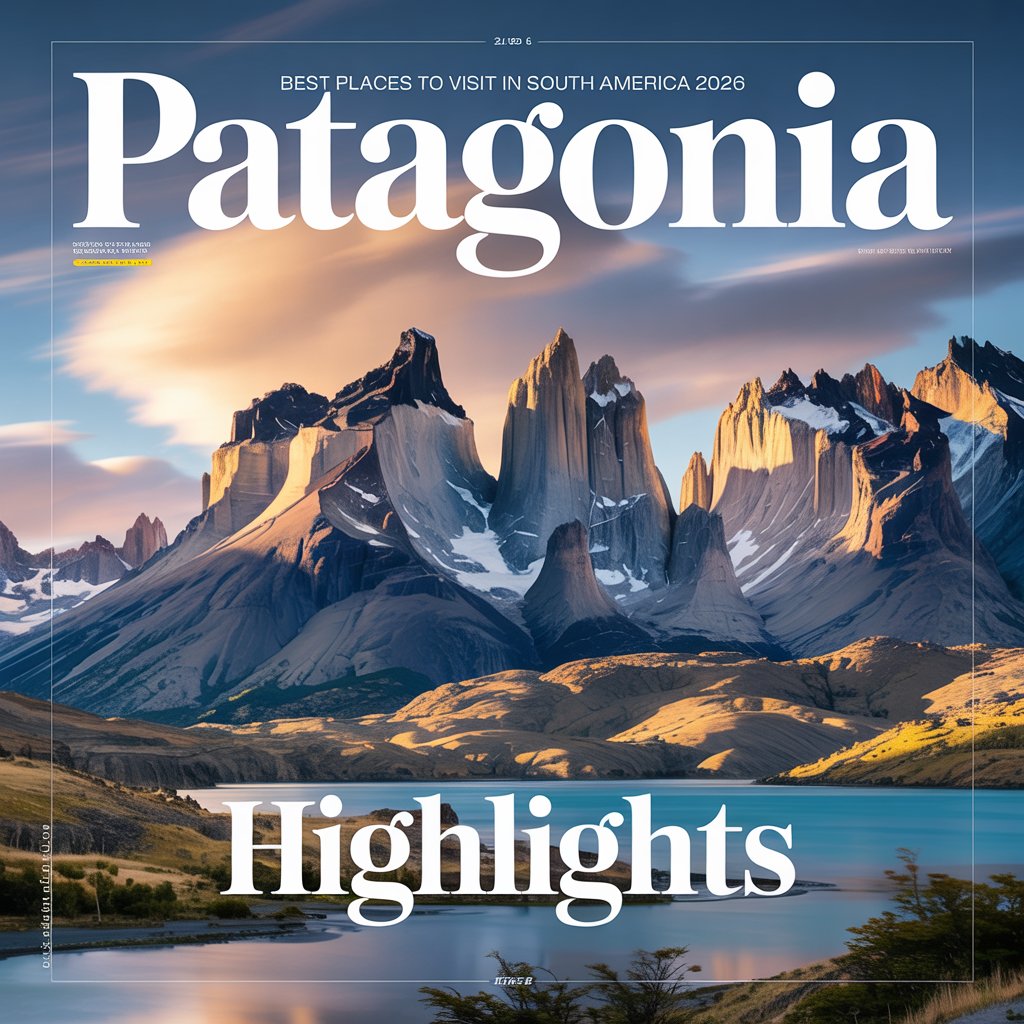
Patagonia isn’t just a destination—it’s a revelation. As one of Earth’s last great wilderness frontiers, this 673,000-square-kilometer expanse spanning southern Chile and Argentina offers landscapes so dramatic they’ll recalibrate your understanding of natural beauty. From the jagged peaks of Torres del Paine to the thunderous Perito Moreno glacier, Patagonia delivers experiences that transform travelers in ways few places can. In 2026, strategic infrastructure investments and sustainable tourism initiatives are making this raw wilderness more accessible without compromising its untamed essence.
For American travelers craving authenticity amid breathtaking scenery, Patagonia represents the pinnacle of destination travel. Unlike crowded European hotspots or overdeveloped Caribbean resorts, Patagonia maintains its wild soul while welcoming visitors with improved amenities. The region’s emerging status as a bucket-list essential is no accident—2026 marks a sweet spot where luxury meets adventure, accessibility meets wilderness, and transformative experiences await those willing to journey to the end of the world.
“Patagonia isn’t about checking destinations off a list—it’s about soul-deep connection with landscapes that have remained unchanged for millennia. In 2026, we’re seeing travelers shift from consumption to conservation-focused experiences.”
— Sarah Jennings, Director of Sustainable Travel at Patagonia Exploration
The Patagonia Advantage: Why Now Beats Any Other Year
| Factor | 2023-2025 | 2026 Improvements |
|---|---|---|
| Accessibility | Limited seasonal flights, rough roads | New regional airports, smoother Carretera Austral route |
| Lodging Quality | Basic refugios, few luxury options | Expanding selection of eco-lodges and boutique hotels |
| Crowd Levels | 30% annual increase in tourists | Strategic visitor management reducing congestion |
| Unique Experiences | Standard tours only | New wildlife corridors, cultural immersion programs |
In 2026, Patagonia enters a new era where thoughtful development enhances rather than diminishes its wild character. The Chile-Argentina tourism boards have implemented coordinated visitor management systems that distribute travelers across seasonal windows, ensuring iconic sites like Torres del Paine’s base of Las Torres remain accessible without feeling overcrowded.
Pro Tip: Book your 2026 Patagonia trip 10-12 months in advance. The sweet spot for availability and pricing is December-March (summer season), but consider shoulder seasons (October-November or April) for fewer crowds and dramatic spring/fall landscapes at 20-30% lower costs.
Northern Patagonia’s Rising Star Destinations
Bariloche: Argentine Patagonia’s Cultural Heart
Nestled along the shores of Nahuel Huapi Lake in Argentina’s Río Negro province, San Carlos de Bariloche (affectionately called Bariloche) delivers that magical blend of alpine charm and Patagonian wildness American travelers dream about. With its Swiss-inspired architecture, artisan chocolate shops, and access to pristine national parks, Bariloche offers something for every traveler—whether you’re seeking adrenaline-fueled adventures or serene moments watching the Andes reflect in crystal-clear lakes.
Bariloche serves as the gateway to Nahuel Huapi National Park, South America’s oldest national park established in 1934. From here, explore the Lake District’s network of waterways through kayaking excursions, hike volcanic peaks like Tronador, or simply relax in a cozy café sipping mate while watching locals practice traditional Argentine pastimes. The town’s unique cultural fusion—where Welsh tea houses neighbor Argentine estancias—creates a distinctly Patagonian identity that feels worlds away from typical American travel experiences.
Click to expand: Why Northern Patagonia is Underrated
While most American travelers fixate on Torres del Paine or El Calafate, Northern Patagonia offers exceptional value and fewer crowds. The region receives just 15% of Patagonia’s total visitors despite offering comparable landscapes with more cultural depth. Bariloche’s developed infrastructure makes it ideal for families or first-time Patagonia visitors, while still providing access to true wilderness just minutes from town. Don’t miss Villa La Angostura, often called the “Garden City” for its stunning floral displays against a backdrop of snow-capped peaks.
Lake District Wonder: Puyuhuapi and the Carretera Austral
Far from the beaten path yet increasingly accessible, Chile’s Carretera Austral (Southern Highway) has become Patagonia’s best-kept secret that’s about to explode in popularity. The route culminates at Puyuhuapi, a small village nestled between emerald fjords and the Andes, home to the breathtaking Queulat Hanging Glacier—a natural wonder where ice cascades hundreds of feet down a mountainside into a hidden valley.
In 2026, this remote region gains improved accessibility with new ferry connections and upgraded road sections, making it feasible for American travelers to experience “Patagonia as it was 20 years ago.” Puyuhuapi offers unparalleled kayaking amid isolated waterways, huemul (Andean deer) spotting in protected reserves, and the Queulat National Park’s famous “veiled glacier” viewpoint accessible via a moderate 45-minute hike. For travelers seeking authenticity beyond Instagram hotspots, this is where Patagonia’s magic truly lives.
“Most Americans don’t realize that some of Patagonia’s most dramatic scenery requires venturing beyond the famous parks. The Carretera Austral delivers raw, unfiltered Patagonia with almost no crowds—2026 is the last year to experience it before overtourism hits.”
— Marco Valdez, Chilean Adventure Specialist
Iconic Southern Patagonia Experiences
Torres del Paine: Chile’s Crown Jewel
For many American travelers, Torres del Paine National Park represents the quintessential Patagonia experience—and for good reason. This Chilean treasure boasts those iconic granite towers piercing the sky, vast pampas where guanacos graze, and the ever-changing Glacier Grey that calves icebergs into a turquoise lake. What makes 2026 special is the park’s refined infrastructure that balances accessibility with wilderness preservation through its upgraded refugio (mountain hut) system.
The park offers two legendary trekking routes: the demanding 7-10 day “Circuit” that circles the entire mountain range via the challenging John Gardner Pass, and the more accessible 4-5 day “W” trek focusing on three major highlights—Glacier Grey, the French Valley, and the Base of Las Torres. In 2026, new reservation protocols prevent overcrowding while ensuring your access to this UNESCO Biosphere Reserve. Plus, wildlife sightings have increased dramatically following successful puma conservation efforts—many travelers now consider spotting these majestic cats the ultimate park experience.
Pro Tip: Book your Torres del Paine trek through a registered operator that employs local guides. Companies like Apus Peru or Swoop Patagonia not only provide expert navigation but also connect your visit to community development initiatives that keep tourism dollars in local hands.
El Calafate & Perito Moreno: Argentina’s Glacier Wonderland
Situated on the shores of Lake Argentino in Argentine Patagonia, El Calafate serves as the primary gateway to Los Glaciares National Park and the star attraction: Perito Moreno Glacier. Unlike other glaciers retreating worldwide, this 350-foot tall, 19-mile long ice giant continues advancing, creating dramatic calving events where massive ice chunks crash into the lake below—a spectacle that never fails to awe first-time visitors.
What transforms a standard glacier visit into a 2026 must-do is the expanded range of experiences available. Beyond the classic boardwalk circuit offering panoramic views, adventurous travelers can now choose from multiple ice-based activities on Perito Moreno. The “Minitrekking” option provides 3-hour ice hikes with crampons on safer glacier sections, while the “Big Ice” experience grants access to more remote areas with ice climbing opportunities. For those preferring water perspectives, modern catamarans offer extended tours to three different glacier fronts with expert glaciology commentary—ideal for travelers who want understanding alongside amazement.
Expand for glacier viewing best practices
Timing is everything when viewing Perito Moreno. Arrive by 9 AM to catch the “blue ice” phenomenon when morning light illuminates the glacier’s deepest crevasses. During calving season (December-February), visit mid-afternoon when warmer temperatures trigger more frequent ice falls. Always bring polarized sunglasses—glare off the ice can be intense even on cloudy days. Pack layered clothing; temperatures can swing 40°F between sunny boardwalk sections and shaded glacier overlooks.
The Ultimate Patagonia Itinerary for US Travelers
Craft Your Perfect 10-Day Patagonia Journey
Many American travelers make the mistake of trying to cram “all of Patagonia” into a single trip, resulting in exhausting travel days and minimal meaningful experiences. In 2026, smarter itineraries focus on either Chilean OR Argentine Patagonia, or strategically connecting two iconic destinations without excessive travel time.
The golden rule: Start in Buenos Aires (2-3 days for culture adjustment), fly to your first Patagonia destination, then cross the Andes via the stunning Sarmiento Lake route between El Calafate and Torres del Paine (rather than retracing your flight path), concluding with wine country relaxation in Chile’s Maipo Valley. This east-to-west directional flow minimizes backtracking and maximizes your wilderness immersion time.
| Day | Destination | Key Activities | Accommodation Type |
|-----|-------------|----------------|---------------------|
| 1-2 | Buenos Aires | Tango shows, Malbec tasting, historic neighborhoods | Boutique hotel |
| 3-5 | El Calafate | Perito Moreno glacier trek, estancia visit | Luxury lodge (Eolo recommended) |
| 6-8 | Torres del Paine | "W" trek highlights, puma tracking, glacial lake cruise | Mountain refugio |
| 9-10 | Puerto Natales | Chilean fjord cruise, artisan markets, wine tasting | Eco-lodge |
| 11-12 | Santiago | Vineyard tours, Andean mountain views | City-center hotel |
Pro Tip: For US travelers, avoid booking individual components separately. Instead, use a specialized Patagonia travel agent like Swoop Patagonia who can bundle flights, transfers, and activities at significant savings—often 15-25% less than booking directly. Their expertise in navigating Patagonia’s seasonal quirks (like sudden weather changes) proves invaluable.
Exclusive Lodging: Where to Stay in Patagonia for 2026
Luxury Meets Wilderness: Patagonia’s Transformative Stays
Gone are the days when Patagonia travel meant sacrificing comfort for wilderness access. In 2026, pioneering eco-lodges blend architectural innovation with sustainability principles that don’t compromise on luxury—creating spaces where floor-to-ceiling windows frame dramatic landscapes while underfloor heating keeps you cozy after glacier hikes.
Consider Eolo in Argentine Patagonia—Relais & Châteaux’s jewel set on 10,000 acres with only 20 rooms. Their “Wild Patagonia” package includes private estancia visits and access to remote trails unavailable to general tourists. Across the border, The Singular Patagonia in Puerto Natales occupies a restored early 1900s cold-storage plant, offering waterfront suites with unbeatable views of the Strait of Magellan and direct access to Torres del Paine.
For travelers seeking ultimate exclusivity, Explora properties in both Torres del Paine and Easter Island represent the pinnacle of guided Patagonia experiences where your expert guides become companions throughout your stay. Their all-inclusive model covers meals, activities, and transportation between lodge sites—eliminating decision fatigue so you can fully immerse in Patagonia’s magic.
Patagonia's Top 5 Lodges for 2026
1. Explora Patagonia (Chile) - All-inclusive luxury trekking
2. Eolo (Argentina) - Estancia-style Patagonian elegance
3. Awasi Patagonia (Chile) - Private guide service included
4. Hostería Guadal (Argentina) - Lake Nahuel Huapi views
5. Luci Xuru (Chile) - Sustainable design meets wilderness
“American travelers often underestimate how much difference the right lodge makes in Patagonia. The magic isn’t just in seeing the landscape—it’s in returning to a warm bed after a day of adventure, with local stories shared over Patagonian lamb and Malbec that transform sightseeing into soulful travel.”
— Claudia Mendez, Luxury Travel Consultant
Emerging Activities & Experiences in Patagonia for 2026
Beyond Hiking: Patagonia’s Next-Generation Adventures
While trekking remains Patagonia’s heartbeat, 2026 brings innovative experiences that allow deeper connections with this remarkable landscape. For travelers seeking beyond the standard itinerary, whale watching excursions from Punta Tombo now include hydrophone technology that lets you hear underwater whale communications—creating an emotional connection that photos alone cannot match.
Equally exciting are the new regenerative travel initiatives where visitors participate in conservation projects. In Torres del Paine, the “Adopt-a-Huemul” program lets travelers assist biologists tracking the endangered Andean deer through GPS tagging. For less physically demanding engagement, the Welsh Tea House Trail in Northern Patagonia combines cultural preservation with tea tastings at century-old establishments—where storytelling becomes as important as the scones.
2026’s Hidden Gems You Won’t Find in Most Guides
Futaleufú River Lodge – Fly-fishing paradise in Chile’s Lake District with heli-fishing excursions to remote tributaries
Tierra del Fuego’s End of the World Train – Now expanded with gourmet dining cars featuring Patagonian lamb and locally foraged ingredients
Estancia Cristina – Accessible via scenic boat ride from Puerto Banderas, this remote ranch offers traditional gaucho experiences without the crowds of more accessible estancias
Pumalín Douglas Tompkins National Park – Chile’s newly expanded protected area with the world’s southernmost hot springs
Pro Tip: Book at least one specialized activity well in advance—particularly puma tracking in Torres del Paine or ice hiking on Perito Moreno. Operators have intentionally limited capacity to protect wildlife and glacial integrity, meaning these experiences often sell out 6+ months ahead for peak season (December-February).
Final Thoughts: Planning Your Unforgettable Patagonia Journey
Patagonia demands attention, respect, and intentionality—but rewards those who approach it thoughtfully with experiences that permanently alter their worldview. In 2026, strategic improvements make accessing these transformations smoother without sacrificing the wild essence that makes Patagonia special. Whether you’re an experienced trekker seeking your next challenge or a luxury traveler wanting to experience wilderness without roughing it, this corner of South America delivers profoundly personal journeys that stay with you long after you return home.
For American travelers, the timing couldn’t be better. With improved flight connections from major US hubs like Miami and Atlanta to both Punta Arenas (Chile) and El Calafate (Argentina), combined with competitive pricing before anticipated increases in 2027, 2026 represents Patagonia’s sweet spot of accessibility and authenticity. The real magic happens not in checking destinations off a list, but in allowing Patagonia’s landscapes to open your perspective in ways you never imagined possible.
Patagonia 2026 Travel Checklist
✓ Book flights 6+ months ahead for peak season (Dec-Feb)
✓ Secure Torres del Paine permits through official channels
✓ Purchase layered outdoor clothing (avoid cotton)
✓ Review visa requirements (most US citizens need reciprocity fee)
✓ Reserve signature experiences like Big Ice trekking early
✓ Pack polarized sunglasses and high-SPF sunscreen
✓ Purchase travel insurance covering high-altitude activities
✓ Learn basic Spanish phrases (beyond "hola" and "gracias")
“Patagonia isn’t a place you visit—it’s a state of mind you enter. When you stand before those ancient glaciers or hike paths carved by indigenous tribes centuries ago, you’re not just seeing landscape. You’re witnessing time itself. That’s why 2026 might be the most meaningful year yet to experience it—the world is finally learning how to visit without damaging.”
— Dr. Elena Torres, Cultural Anthropologist & Patagonia Specialist
Begin planning your transformative Patagonia journey today through a specialist like Adventure World who can customize an itinerary matching your interests while supporting the region’s fragile ecosystems. In a world of increasingly homogenized travel experiences, Patagonia remains gloriously, uncompromisingly itself—and 2026 just might be your year to discover why.