Imagine gliding through misty fjords at dawn, the only sound being your paddle dipping into crystal-clear water as a humpback whale breaches in the distance. Or weaving through ancient mangrove tunnels while an alligator suns itself on the bank. For over 20 million Americans who paddle annually, these experiences aren’t just dreams—they’re achievable adventures waiting in 2026.
The post-pandemic outdoor boom continues to reshape how we explore nature, with kayaking at the forefront. In 2026, we’re seeing more accessible launch points, improved reservation systems, and innovative eco-friendly tour options that make paddling more inclusive than ever. New permits have opened previously restricted waterways, while technology like real-time tide apps and wildlife tracking tools put expert-level planning in every paddler’s pocket.
This year is particularly special for kayak enthusiasts. With summer and fall 2026 bringing optimal water levels across most regions, plus several new guided tour operators focusing on sustainability, there’s never been a better time to plan your paddle adventure. Whether you’re a beginner testing calm waters, a family seeking memorable experiences, or an expert chasing challenging rapids, our curated list of the best kayaking destinations for paddle lovers 2026 has your perfect match.
We’ve ranked 10 exceptional locations across the United States, balancing accessibility, scenery, and uniqueness to create the ultimate guide for your next kayaking adventure. From sea kayaking trails amid Alaska’s glaciers to river kayaking routes through Utah’s canyons, these destinations deliver unforgettable experiences that showcase why paddling remains America’s favorite water sport.
🔍 Why 2026 Is the Perfect Year for Kayaking Adventures
2026 brings several exciting developments for paddlers. The National Park Service has streamlined reservation systems across multiple parks, making it easier to secure permits for popular destinations. New partnerships with eco-conscious outfitters mean more guided tours focused on Leave No Trace principles. Additionally, advancements in kayak technology—like lighter composite materials and improved stability features—have made the sport more accessible to beginners while still satisfying experts. The summer of 2026 is predicted to have ideal water levels across most regions, creating perfect conditions for both calm lake paddling and thrilling whitewater adventures.
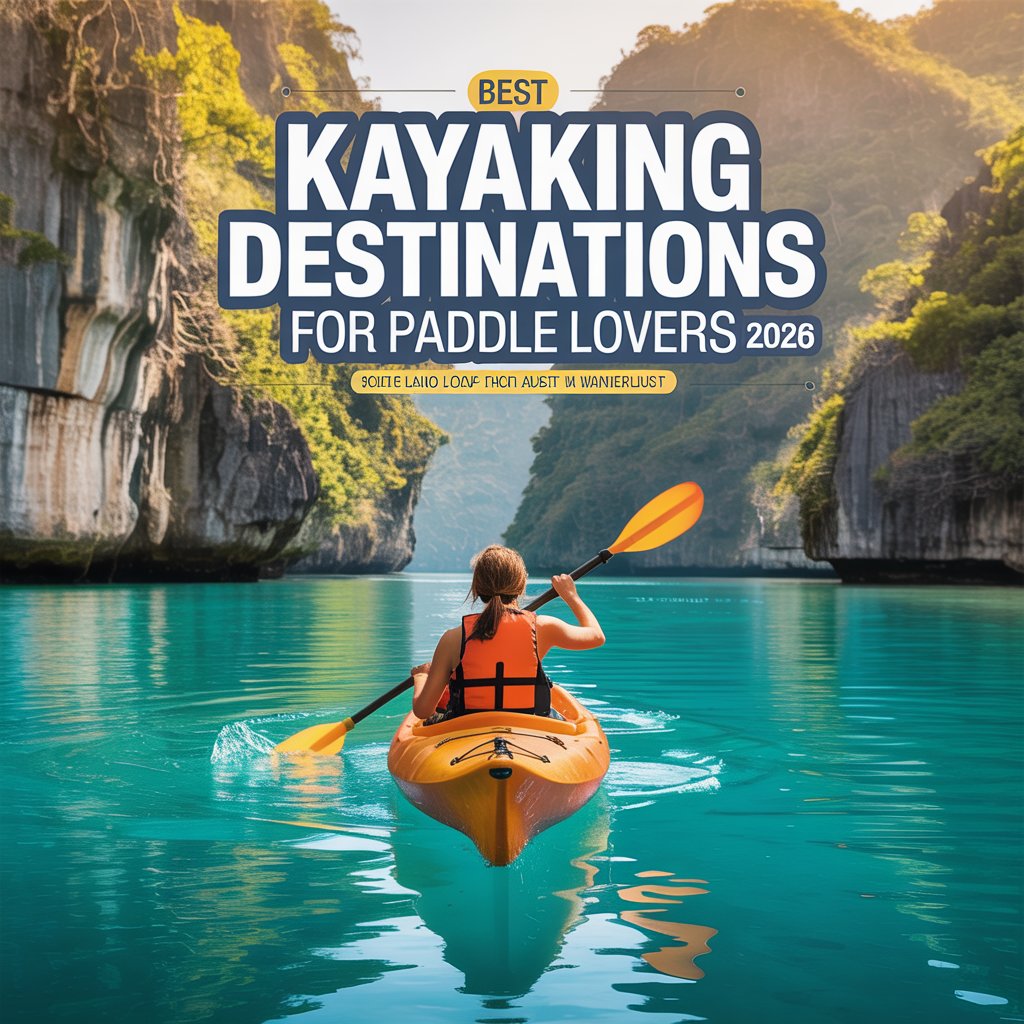
Top 10 Kayaking Destinations for Paddle Lovers 2026
1. Glacier Bay National Park, Alaska
Difficulty: Advanced
Best Season: June-August
Cost: $120-150/day (rental + shuttle)
Distance: 5-20 miles per day
Glacier Bay offers one of Earth’s most dramatic sea kayaking experiences—paddling among calving glaciers and towering icebergs. In 2026, new tide prediction apps specifically designed for Glacier Bay (available through the NPS website) make navigation safer and more precise. All kayakers must complete the mandatory backcountry orientation at Bartlett Cove Visitor Station, which now includes updated bear safety protocols using the latest bear-resistant food containers.
Pro tip: For the most spectacular wildlife viewing, target the Lower Bay whale waters between May 15-September 30. Remember to maintain at least 1/4 nautical mile from humpback whales—getting closer isn’t just illegal, it’s dangerous. Guided trips with Glacier Bay Sea Kayaks ($225/day) include bear spray training and provide satellite communication devices for emergencies.
“Paddling among the icebergs at dawn, with the sound of calving glaciers echoing through the bay, remains the most profound wilderness experience of my life.” — Sarah J., experienced sea kayaker
2. Everglades National Park, Florida
Difficulty: Beginner to Intermediate
Best Season: November-April (winter dry season)
Cost: $65-95/day (rental)
Distance: 3-8 miles per tour
The Everglades’ mangrove tunnel kayaking offers an otherworldly experience where sunlight filters through dense canopies, creating shimmering patterns on the water. In 2026, new eco-friendly LED lighting systems on guided tours allow for extended twilight paddles without disturbing wildlife. Safety protocols have been enhanced with mandatory wildlife viewing distances—maintain at least 15 feet from alligators (even if they look like statues!).
The 2026 season brings expanded access to previously restricted areas following ecosystem recovery efforts. For families, the 2-hour Mangrove Tunnel Express Tour ($76 after 20% discount) is perfect for younger paddlers. Remember: all tours now require advance booking through Recreation.gov due to increased popularity.
Pro tip: Visit during winter for fewer mosquitoes and comfortable temperatures. Bring binoculars—you might spot roseate spoonbills, wood storks, or even a rare manatee. For the ultimate experience, combine a morning mangrove tunnel tour with an afternoon boat-assisted kayak eco-tour to maximize wildlife sightings.
3. Boundary Waters Canoe Area, Minnesota
Difficulty: Beginner to Advanced (depending on route)
Best Season: May-September
Cost: $75-110/day (rental)
Distance: 5-15 miles per day
America’s most visited wilderness area boasts 1.1 million acres of interconnected waterways perfect for canoe and kayak adventures. The 2026 permit system has been refined with a more user-friendly online reservation process through Recreation.gov. New for 2026, the “Paddle Planner” route-planning tool shows real-time campsite availability and includes photos of key portages.
For beginners, the Sawbill Lake entry point offers gentle lakes with minimal portages. The BWCAW Act of 1978 continues to protect this pristine area, with strict Leave No Trace principles enforced. Remember: maximum group size is 9 people and 4 watercraft, and all trash must be packed out.
Pro tip: August offers the perfect balance—fewer bugs than July, warm enough for swimming, but less crowded than peak summer. For families, consider a basecamp approach where you paddle out from a central campsite for day trips rather than moving daily. The Rockwood Lodge offers excellent beginner-friendly routes with shuttle services.
4. Na Pali Coast, Kauai, Hawaii
Difficulty: Advanced
Best Season: May 15-September 7 (summer)
Cost: $240-305/person (guided tour)
Distance: 17 miles (full coast) or 10 miles round trip
The Na Pali Coast’s dramatic sea cliffs create one of the world’s most breathtaking sea kayaking experiences. For 2026, new regulations limit commercial vessels in the Nualolo Kai restricted zone to six vessels at a time, with a 45-minute maximum stay—ensuring a more peaceful experience. Only permitted operators like Napali Kayak and Kayak Kauai can legally land at Miloli’i Beach.
Paddling the entire 17-mile coast requires significant stamina, but the reward is unparalleled—entering sea caves like Waiahuakua (the second-longest sea cave in the US) where waterfalls cascade through openings in the ceiling. In 2026, all commercial operators now provide satellite communication devices for emergencies, addressing previous safety concerns.
Pro tip: Book early May or late September trips for fewer crowds and ideal conditions. Morning departures are essential—afternoon trade winds create challenging conditions. For less experienced paddlers, the Polihale to Miloli’i round-trip (5 miles each way) offers the dramatic scenery without the full commitment.
5. Green River, Utah
Difficulty: Intermediate to Advanced
Best Season: April-June (spring runoff)
Cost: $150-200/day (guided multi-day)
Distance: 25-50 miles per trip
Utah’s Green River offers canyon kayaking through stunning red rock formations in Canyonlands National Park. The 2026 season brings improved access to Labyrinth Canyon with new shuttle services from Hanksville. Spring runoff creates ideal conditions for intermediate paddlers, while experienced kayakers tackle the more technical Stillwater Canyon section.
New for 2026, the Bureau of Land Management has implemented a reservation system for popular campsites along the river, reducing overcrowding. All multi-day trips require careful water planning—there are no reliable freshwater sources between Mineral Canyon and Horseshoe Canyon.
Pro tip: May offers the perfect balance of water levels and temperatures. For beginners, consider a guided 3-day trip through Labyrinth Canyon before attempting more challenging sections. Remember to pack extra water purification tablets—desert water conditions can change rapidly.
6. Apostle Islands, Wisconsin
Difficulty: Beginner to Intermediate
Best Season: June-August
Cost: $70-100/day (rental)
Distance: 3-10 miles per day
Lake Superior’s Apostle Islands National Lakeshore features 21 islands with stunning sea caves, lighthouses, and pristine beaches. In 2026, new floating dock systems at popular launch points like Meyers Beach make kayak access easier and protect sensitive shorelines. The National Park Service has also expanded guided night kayaking tours with eco-friendly LED lighting.
The mainland sea caves are accessible only by kayak, with the best conditions during calm summer mornings. For 2026, the park has introduced a new “Cave Conditions” app showing real-time accessibility based on wave height and wind direction.
Pro tip: Target mid-June to early July for optimal conditions—calm waters, comfortable temperatures, and minimal bugs. For families, the 3-mile route from Cornucopia to Little Bear Island offers gentle paddling with excellent wildlife viewing. Don’t miss the historic Raspberry Island Lighthouse—accessible only by water.
7. Chesapeake Bay, Maryland
Difficulty: Beginner
Best Season: May-September
Cost: $50-75/day (rental)
Distance: 2-6 miles per outing
The Chesapeake Bay’s calm waters make it perfect for family-friendly kayaking adventures. In 2026, new “Kayak Trail” markers have been installed along popular routes near Annapolis and Solomons Island, with QR codes linking to educational content about local ecology. The Bay’s extensive network of protected coves provides sheltered paddling even on breezy days.
New for 2026, several outfitters now offer “Paddle & Picnic” packages with pre-packed local seafood lunches—perfect for floating while enjoying Maryland’s famous crab cakes. The Chesapeake Bay Foundation has also launched “Eco-Paddle” tours focusing on restoration efforts for oyster reefs and underwater grasses.
Pro tip: Early summer (May-June) offers the most pleasant conditions with fewer boat wakes. For beginners, start with a guided tour through the calm waters of the Patuxent River. Sunset paddles from St. Mary’s County provide stunning views with minimal wind.
8. Colorado River, Grand Canyon, Arizona
Difficulty: Expert
Best Season: April-September
Cost: $200-400/day (guided)
Distance: 225 miles (full trip)
The Colorado River through Grand Canyon offers the ultimate whitewater kayaking adventure. For 2026, the weighted lottery system (applications accepted Feb 1-25, 2025 for 2026 trips) has allocated 450 permits for noncommercial trips. Commercial trips with outfitters like Arizona Raft Adventures remain the most accessible option for most paddlers.
New in 2026, the National Park Service has enhanced safety protocols with mandatory rapid assessment training for all commercial guides. The river’s famous rapids—from Hance to Lava Falls—demand technical expertise, but the rewards include ancient rock art, hidden waterfalls, and unparalleled solitude.
Pro tip: For non-experts, consider a 3-6 day guided trip through the upper canyon rather than the full 12-25 day journey. May offers ideal water temperatures and flow conditions. Remember: all river trips require extensive pre-trip planning—consult the updated 2026 River Trip Orientation Video before booking.
9. San Juan Islands, Washington
Difficulty: Intermediate
Best Season: May-September
Cost: $90-130/day (rental)
Distance: 5-15 miles per day
The San Juans offer world-class sea kayaking with the chance to spot orcas, seals, and sea lions. In 2026, new quiet electric kayak options from outfitters like San Juan Outfitters reduce noise pollution, improving wildlife viewing opportunities. The Orca Network’s updated app now provides real-time orca sighting reports.
The 2026 season brings improved access to previously restricted areas following successful salmon restoration efforts. For the best orca sightings, target the western shoreline of San Juan Island during summer months when salmon runs attract the whales.
Pro tip: Book mid-week trips in July for optimal wildlife viewing with fewer crowds. For beginners, start with a guided tour through the calm waters of Griffin Bay before attempting open-water crossings. Always check marine forecasts—conditions can change rapidly in the Salish Sea.
10. Allagash Wilderness Waterway, Maine
Difficulty: Intermediate to Advanced
Best Season: September-October (fall foliage)
Cost: $80-120/day (rental)
Distance: 8-15 miles per day
Maine’s Allagash offers remote river kayaking through pristine northern forests. In 2026, new portage markers and improved campsite facilities enhance the experience while maintaining wilderness character. The Maine Department of Inland Fisheries & Wildlife has expanded moose viewing areas along the river.
Fall foliage season (late September-early October) provides spectacular color displays with comfortable temperatures and fewer bugs. The 92-mile waterway features gentle rapids perfect for intermediate paddlers, with opportunities to spot bald eagles, loons, and possibly moose.
Pro tip: Target the last two weeks of September for peak foliage with ideal water levels. For a unique experience, combine kayaking with a night under the stars—Maine’s dark skies offer incredible stargazing. Outfitters like Northern Outdoors now offer “Paddle & Stay” packages with pre-set campsites.
Kayaking Destinations Comparison: 2026 Edition
| Destination | Difficulty | Best Season | Cost per Day | Highlights |
|---|---|---|---|---|
| Glacier Bay, AK | Advanced | June-August | $120-150 | Calving glaciers, humpback whales, bear sightings |
| Everglades, FL | Beginner-Intermediate | Nov-Apr | $65-95 | Mangrove tunnels, alligators, bird watching |
| Boundary Waters, MN | Beginner-Advanced | May-Sept | $75-110 | 1,200 miles of routes, pristine lakes, portages |
| Na Pali Coast, HI | Advanced | May 15-Sept 7 | $240-305 | Sea caves, waterfalls, dramatic sea cliffs |
| Green River, UT | Intermediate-Advanced | Apr-Jun | $150-200 | Red rock canyons, desert solitude, multi-day trips |
| Apostle Islands, WI | Beginner-Intermediate | Jun-Aug | $70-100 | Sea caves, lighthouses, Lake Superior views |
| Chesapeake Bay, MD | Beginner | May-Sept | $50-75 | Calm waters, family-friendly, historic sites |
| Grand Canyon, AZ | Expert | Apr-Sept | $200-400 | World-class rapids, ancient rock art, canyon views |
| San Juan Islands, WA | Intermediate | May-Sept | $90-130 | Orca sightings, sea lions, coastal forests |
| Allagash, ME | Intermediate-Advanced | Sept-Oct | $80-120 | Fall foliage, moose sightings, remote wilderness |
Planning Your 2026 Kayak Adventure
Essential Gear Checklist
- Life jacket (PFD): Required by law and non-negotiable for safety
- Dry bags: Keep essentials protected from splashes and capsizes
- Weather-appropriate clothing: Quick-dry fabrics, rain jacket, and layers
- Navigation tools: Waterproof map, compass, and GPS device
- Safety equipment: Whistle, first-aid kit, repair kit, and signaling mirror
Safety First: Critical Tips
- Check weather conditions before departure—sudden changes can turn calm waters dangerous
- File a float plan with someone reliable, including your route and expected return time
- Know your limits—don’t push beyond your skill level, especially in open water
- Follow the buddy system—never paddle alone, especially in remote areas
- Download offline maps—cell service is unreliable in most wilderness areas
Booking Smart
- Reserve early: Popular destinations like Glacier Bay and Na Pali Coast require permits months in advance
- Consider guided tours: Especially for beginners or challenging locations—they provide safety, local knowledge, and equipment
- Look for package deals: Many outfitters offer “paddle & stay” packages that include lodging and meals
- Check cancellation policies: Flexible booking options are valuable with unpredictable weather
Eco-Conscious Paddling
- Follow Leave No Trace principles: Pack out all trash, minimize campfire impacts
- Respect wildlife: Maintain appropriate distances (15+ feet from alligators, 100+ yards from whales)
- Use reef-safe sunscreen: Protect fragile aquatic ecosystems
- Stay on designated routes: Prevent erosion and protect sensitive habitats
Budget Breakdown
- Basic trip (1-2 days): $300-500 per person (rental, basic gear, local transport)
- Mid-range adventure (3-5 days): $800-1,500 per person (guided tour, quality gear, accommodations)
- Premium experience (week-long): $1,500-2,500 per person (luxury outfitter, specialized gear, premium campsites)
Conclusion: Paddle Into Your 2026 Adventure
From the icy waters of Alaska’s Glacier Bay to the serene mangrove tunnels of Florida’s Everglades, 2026 offers unparalleled opportunities for kayaking enthusiasts of all skill levels. Whether you’re seeking family-friendly calm waters, challenging whitewater adventures, or serene wilderness escapes, America’s diverse waterways deliver unforgettable experiences.
The key takeaway? Don’t wait. Popular destinations like the Na Pali Coast and Grand Canyon require advance planning—some permits for 2026 trips were already allocated in early 2025! For beginners, start with accessible options like Chesapeake Bay or Boundary Waters, while seasoned paddlers should target bucket-list destinations like the Grand Canyon or Na Pali Coast.
Ready to make your 2026 kayaking dreams reality? Book your guided tour now through our trusted partners, or download our free Kayak Gear Essentials 2026 checklist to ensure you’re properly equipped. For exclusive deals on kayak rentals and gear, sign up for our Kayaking Deals 2026 email list—subscribers get first access to limited-time offers!
As the saying goes among paddlers: “The best time to go kayaking was yesterday. The second best time is today.” Make 2026 the year you answer the call of the water.
❓ Frequently Asked Questions
What are the best beginner kayaking spots for 2026?
Chesapeake Bay in Maryland and the Boundary Waters in Minnesota offer the most beginner-friendly conditions. Both feature calm waters, gentle learning curves, and numerous guided tour options specifically designed for first-time paddlers. In 2026, both locations have expanded their “Learn to Paddle” programs with certified instructors.
How can I plan a family-friendly kayaking trip?
Focus on destinations with calm waters (like Chesapeake Bay or Everglades mangrove tunnels), book tandem kayaks for young children, and choose shorter tours (2-3 hours). Many outfitters now offer “family packages” with child-sized life jackets, splash-friendly gear, and wildlife-focused educational components. Always check age minimums—most require children to be at least 5 years old.
What safety gear is essential for kayaking adventures?
At minimum: properly fitted PFD (life jacket), whistle, dry bags for essentials, first-aid kit, navigation tools (map/compass), and communication device (waterproof phone case or marine radio). For open water or remote areas, add emergency signaling equipment, extra water, and repair kits. In 2026, many outfitters include satellite communication devices in premium packages.
How far in advance should I book my 2026 kayaking trip?
For popular destinations (Na Pali Coast, Glacier Bay, Grand Canyon), book 6-12 months in advance. For less competitive locations (Apostle Islands, Chesapeake Bay), 2-3 months is usually sufficient. The 2026 season has seen increased demand, so earlier booking is recommended—some Grand Canyon noncommercial permits were allocated in February 2025 for 2026 trips!
What’s the most budget-friendly kayaking destination for 2026?
Chesapeake Bay offers the most affordable options, with rentals starting at $50/day and numerous free launch points. Boundary Waters is also cost-effective if you have your own gear—the main expense is the $16/person recreation fee. For guided tours, the Everglades offers excellent value with family packages under $100/person.