
Imagine stepping onto a soft dirt path just as the sun breaches the tree line. The air is crisp, carrying the earthy scent of damp pine and moss. With every step, the relentless ping of smartphone notifications fades, replaced by the rhythmic crunch of leaves beneath your boots and the distant call of a songbird. You take a deep breath, and for the first time all week, your shoulders drop.
This isn’t just a walk in the woods; it is a deliberate act of self-care. As we navigate the complexities of 2026—balancing remote work burnout, digital fatigue, and a growing collective focus on mental health—”wellness hikes” have emerged as a powerful antidote. We are no longer just hiking to conquer peaks or log miles; we are seeking out the best nature spots to heal, ground ourselves, and find quietude.
Whether you are a stressed professional, a busy parent, or an urban dweller craving a digital detox, nature offers a free, accessible, and profoundly effective reset. In this guide, we will explore the science behind hiking for mental health, share actionable planning tips, and highlight the most restorative hikes and nature spots to recharge across the United States this year. Let’s lace up our boots and head outside.
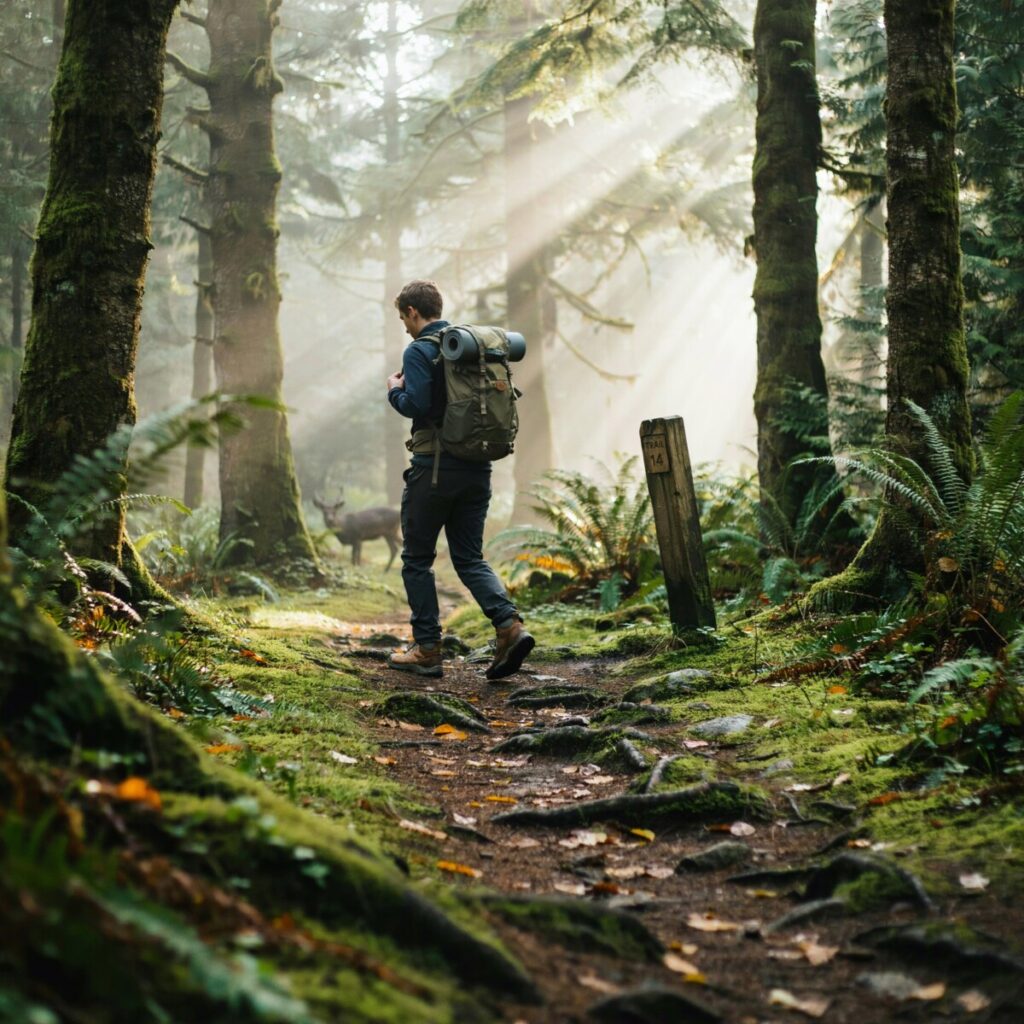
Why Hiking Boosts Mental Wellness
There is a profound, scientifically validated reason why stepping into the wild makes us feel instantly better. Nature therapy is no longer just a fringe concept; it is a cornerstone of modern psychological well-being.
When you engage in mindful walking outdoors, your brain undergoes a measurable shift. Studies show that spending just 20 to 30 minutes in nature significantly lowers cortisol (the primary stress hormone) and reduces activity in the prefrontal cortex—the part of the brain responsible for repetitive, negative thought patterns and rumination. In its place, your brain releases a gentle cascade of endorphins and serotonin, elevating your mood and promoting a sense of calm.
This phenomenon is closely tied to Shinrin-yoku, or “forest bathing,” a Japanese practice that encourages slow, sensory immersion in woodland environments. Unlike a brisk power walk aimed at hitting a step count, forest bathing invites you to slow down, observe the intricate patterns of tree bark, and listen to the wind. This practice leverages Attention Restoration Theory, which suggests that the “soft fascination” of natural environments allows our overstimulated, screen-fatigued brains to rest and recover.
Pull Quote: “We don’t hike to escape life, but to quiet the noise so that life cannot escape us. The trail is where the mind finally catches up to the body.”
Who benefits most from mental wellness hikes?
While everyone reaps the rewards, stress relief outdoors is particularly potent for remote workers battling isolation, parents needing a brief sanctuary from household chaos, and anyone experiencing “zoom fatigue.” You don’t need to be an elite athlete to experience these benefits; even short day hikes can dramatically improve sleep quality and emotional regulation.
How to Choose a Restorative Hike
Not all trails are created equal when your primary goal is mental restoration. If you are seeking stress relief outdoors, a grueling, 10-mile scramble up a scree slope might leave you physically depleted rather than mentally refreshed. To find the perfect nature spots to recharge, consider these criteria:
- Difficulty & Length: Look for beginner-friendly hikes ranging from 1 to 5 miles. The goal is a gentle elevation gain that elevates your heart rate slightly without pushing you into exhaustion.
- Scenery & Sensory Input: Water features (creeks, waterfalls, alpine lakes) and old-growth forests provide the most soothing auditory and visual stimuli.
- Crowd Levels: Solitude is key for digital detox hikes. Look for lesser-known local state parks or hit popular national parks wellness trails at off-peak hours.
- Accessibility: Ensure the trail matches your current physical mobility. Many parks now offer accessible nature trails featuring paved paths or boardwalks.
Your Quick Trail-Selection Checklist
Before heading to a trailhead, verify the following:
- [ ] Distance & Elevation: Is it under 5 miles with minimal steep switchbacks?
- [ ] Trail Surface: Is it well-maintained dirt, gravel, or boardwalk (avoiding loose rock)?
- [ ] Shade & Sun: Does the canopy offer protection from harsh midday UV rays?
- [ ] Cell Coverage: Is there enough signal for safety, or do you have an offline map downloaded?
- [ ] Rest Stops: Are there benches, logs, or flat clearings to pause and practice mindful walking?
Top Wellness Hike Spots by Region (2026 Guide)
To help you find hiking trails near me or plan your next restorative weekend getaway, we have curated a list of top US hiking destinations 2026. These spots are chosen for their sensory richness, accessibility, and profound capacity to restore the mind.
1. Pacific Northwest: Hoh Rainforest Loop (Olympic National Park, WA)
Step into a living, breathing emerald cathedral. The Hall of Mosses Trail in the Hoh Rainforest is a short, 0.8-mile loop that is the ultimate destination for forest bathing. Draped in thick, hanging clubmoss and surrounded by towering Sitka spruces, the acoustic dampening of the moss creates an eerie, beautiful silence.
- Local Logistics: Nearest town is Forks, WA. An America the Beautiful Pass or specific Olympic National Park entrance fee is required.
- Best Season: Spring and early fall to avoid peak summer crowds and heavy winter mud.
- Accessibility: The first portion of the trail is relatively flat and hard-packed, though roots require careful footing.
2. California: Eagle Falls / Emerald Bay (Lake Tahoe, CA)
For a dose of alpine majesty, the short hike to Eagle Falls offers incredible payoff with minimal effort. The sound of the cascading waterfall provides natural white noise, perfect for stress relief outdoors. Afterward, a gentle stroll along the shores of Emerald Bay offers sparkling, sapphire waters that instantly lower the heart rate.
- Local Logistics: Located near South Lake Tahoe. Parking at the Eagle Falls trailhead fills up by 9:00 AM on weekends; arrive early or use the seasonal shuttle.
- Best Season: Late spring (for peak waterfall flow) and early autumn.
- Accessibility: The trail to the upper falls involves some stone steps, but the Emerald Bay shoreline features paved, wheelchair-friendly viewpoints.
3. Southwest: Sedona Red Rock Vortex Trails (AZ)
Sedona is world-renowned for its spiritual energy and striking red rock formations. The Airport Mesa Loop or the gentle paths around Bell Rock offer wide, expansive vistas that encourage deep breathing and perspective-shifting. The high desert air, rich in negative ions and the scent of juniper, makes these restorative hikes deeply grounding.
- Local Logistics: Red Rock Pass or a National Parks pass is required for most trailhead parking.
- Best Season: Late fall through early spring; summer heat can be dangerous and counterproductive to wellness.
- Accessibility: Several vortex sites feature paved or hard-packed dirt paths suitable for mobility devices.
4. Rocky Mountains: Bear Lake to Nymph Lake (Rocky Mountain National Park, CO)
This 1.1-mile round-trip hike punches far above its weight in scenic beauty. Starting at the pristine, mirror-like Bear Lake, the trail gently ascends through a fragrant pine forest to Nymph Lake, which is blanketed in lily pads and framed by the dramatic Hallett Peak. It is a quintessential mental wellness hike for alpine lovers.
- Local Logistics: Nearest town is Estes Park. Crucial: A Timed Entry Permit is required to enter RMNP during peak season (May to October).
- Best Season: Summer and early fall.
- Accessibility: Bear Lake features a fully paved, ADA-accessible boardwalk loop. The trail to Nymph Lake has some uneven steps.
5. Midwest: Cuyahoga Valley Towpath + Brandywine Falls (OH)
You don’t need towering mountains to find peace. Cuyahoga Valley National Park offers a lush, river-valley escape. Walk a flat, 2-mile stretch of the historic Ohio & Erie Canal Towpath, then connect to the boardwalk viewing Brandywine Falls, a stunning 65-foot waterfall. The gentle rhythm of the towpath is ideal for mindful walking.
- Local Logistics: Located near Peninsula, OH. Entry to the park and parking are completely free.
- Best Season: Autumn for spectacular foliage, or spring for blooming wildflowers.
- Accessibility: The Towpath is flat, crushed limestone, and highly accessible. The Brandywine Falls boardwalk is also ADA compliant.
6. Southeast: Laurel Falls (Great Smoky Mountains, TN/NC)
The Smokies are famous for their ancient, mist-shrouded mountains and incredible biodiversity. The Laurel Falls trail is a paved (though slightly uneven) 2.6-mile round-trip walk through a dense hardwood forest, culminating at an 80-foot cascading waterfall. The high canopy and the sound of rushing water create a perfect sanctuary.
- Local Logistics: Accessible via Gatlinburg or Townsend. A daily or annual parking tag is required for all vehicles parking in the Smokies for more than 15 minutes.
- Best Season: Early morning in spring or late fall to beat the heavy tourist traffic.
- Accessibility: While paved, the steep grade and cracked asphalt make it challenging for standard wheelchairs, but it is excellent for strollers and sturdy walking aids.
7. Northeast: Jordan Pond Path (Acadia National Park, ME)
Acadia offers a rare blend of mountain and ocean, but for pure restoration, the Jordan Pond Path is unmatched. This 3.3-mile loop (you can easily do an out-and-back portion) circles crystal-clear waters framed by the iconic Bubbles mountains. The smooth, gravel-and-dirt surface and the gentle lapping of the water provide a deeply rhythmic, calming experience.
- Local Logistics: Nearest town is Bar Harbor. From May through October, a Vehicle Reservation is required to drive the Cadillac Summit Road, though Jordan Pond generally operates on first-come, first-served parking (arrive before 8 AM).
- Best Season: Early September to mid-October for fall colors, or June for blooming lupines.
- Accessibility: The northern end of the pond features a firm, accessible boardwalk and carriage roads.
8. Bonus Urban Option: The Reservoir Loop (Central Park, NY)
You don’t need to leave the city to find nature spots to recharge. The 1.58-mile loop around the Jacqueline Kennedy Onassis Reservoir offers a surprising sense of vastness in the middle of Manhattan. Surrounded by water and a canopy of trees, with the skyline peeking through, it is the ultimate urban digital detox hike.
- Local Logistics: Easily accessible via the NYC Subway (B, C, or 6 trains). Completely free.
- Best Season: Year-round, but particularly magical during the spring cherry blossom bloom or crisp autumn mornings.
- Accessibility: The track is flat, crushed gravel, and fully accessible for wheelchairs and strollers.
Planning a Short Wellness Hike
Preparation is the bridge between a stressful outing and a restorative one. When your goal is national parks wellness or a quiet local escape, packing light but smart is essential.
The Pre-Hike Checklist:
- Hydration & Fuel: Bring at least 1 liter of water and a mindful snack (like trail mix or fresh fruit) to enjoy at a scenic overlook.
- Footwear & Layers: Wear broken-in, supportive trail shoes. Dress in moisture-wicking layers to adapt to changing forest microclimates.
- Navigation: Download an offline map via AllTrails or Gaia GPS. Trail safety tips always dictate that you shouldn’t rely solely on cell service.
- Leave-No-Trace Kit: Bring a small trash bag for any litter you find (or create) and a basic first-aid kit.
Mindful Practices to Try on the Trail:
To elevate your hike from simple exercise to true nature therapy, integrate these brief practices:
- The 5-4-3-2-1 Grounding Exercise: Pause and identify 5 things you can see, 4 you can touch, 3 you can hear, 2 you can smell, and 1 you can taste.
- Paced Breathing: Sync your breath to your steps. Inhale for three steps, exhale for three steps.
- Silent Intervals: Commit to the first 15 minutes of the hike in total silence—no podcasts, no music, no chatting. Just listen to the environment.
Time-of-Day Tips:
For the best stress relief outdoors, aim for a sunrise hike. The morning light regulates your circadian rhythm (improving sleep later that night), and the trails are blissfully empty. Alternatively, a late-afternoon “golden hour” hike bathes the landscape in warm, mood-lifting light.
Safety and Accessibility
Peace of mind is a prerequisite for mental restoration. You cannot fully relax if you are anxious about your surroundings or physical safety.
Trail Safety Basics:
Always tell a friend or family member your hiking plan and expected return time. Check the local weather forecast right before you leave; mountain and coastal weather can shift rapidly. Start with beginner-friendly hikes to gauge your fitness level, watch your footing on uneven roots and rocks, and maintain a respectful distance from all wildlife.
Accessibility in the Outdoors:
The outdoors belongs to everyone. If you or a hiking partner have mobility concerns, look for accessible nature trails. Many state and national parks feature paved greenways, hardened boardwalks through wetlands, and chair-accessible scenic overlooks. Organizations like Disabled Hikers provide excellent, detailed guides on trail accessibility, ensuring that the healing power of wellness hikes is inclusive for all bodies and abilities.
Eco-Friendly Hiking and Respectful Use
As we seek healing from the natural world, we have a responsibility to protect it. Eco-friendly hiking ensures that these best nature spots remain pristine for future generations.
Adhere strictly to Leave No Trace principles. Stay on designated trails to protect fragile root systems and prevent soil erosion. Pack out all your trash, including biodegradable items like apple cores, which can disrupt local wildlife diets and take months to decompose.
Small Actions, Big Impact:
- Swap single-use plastics for a reusable hydration bladder or water bottle.
- Use reef-safe, biodegradable sunscreen and bug spray, especially when hiking near alpine lakes or sensitive waterways.
- Support local conservation efforts by purchasing a park pass, donating to regional trail conservancies, or volunteering for a weekend trail maintenance crew.
Closing: The Trail is Waiting
In a world that constantly demands our attention, speed, and productivity, choosing to slow down in nature is a radical act of self-preservation. Wellness hikes remind us that we don’t always need to push harder; sometimes, we just need to walk softer. The restorative hikes outlined above offer more than just beautiful photos—they offer a sanctuary for your mind, a reset for your nervous system, and a quiet space to simply be.
Don’t wait for the perfect vacation or the ideal weather forecast. Pick one nature spot to recharge near you, block out two hours on your calendar this weekend, and step onto the trail. Your mind will thank you.